The Art of Sharpening: A Complete Guide As I learn more about sharpening tools, I see how important it is to keep edges sharp. A properly sharpened tool guarantees user safety in addition to improving performance. My tendency to use too much force when using a dull knife or chisel can result in mishaps or injuries. A sharp tool, on the other hand, cuts through materials effortlessly, enabling control and accuracy. This is especially important in crafts like woodworking, cooking, & other fields where precision is essential. Also, sharpening tools can greatly increase their lifespan. Learn more about our journey at About us.
Key Takeaways
- Sharpening tools is important for maintaining the effectiveness and longevity of cutting tools
- There are different types of sharpening stones, including oil stones, water stones, and diamond stones
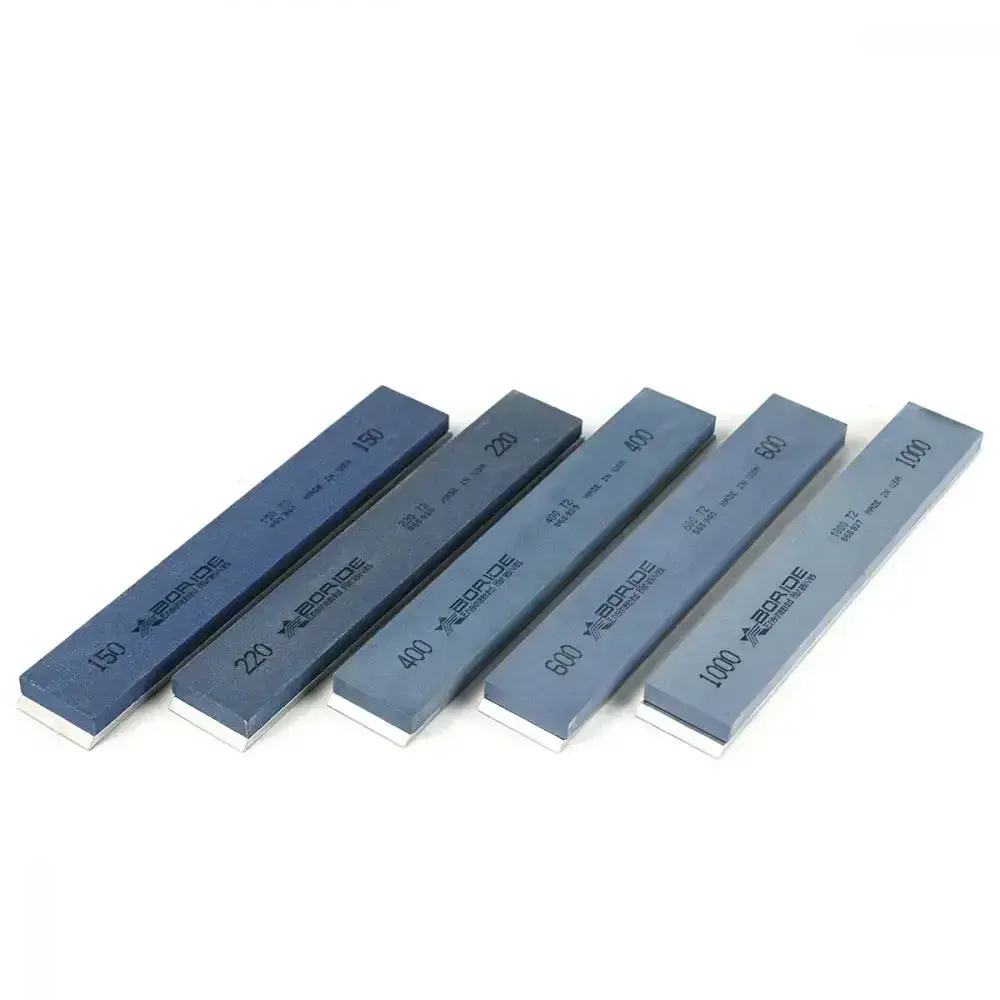
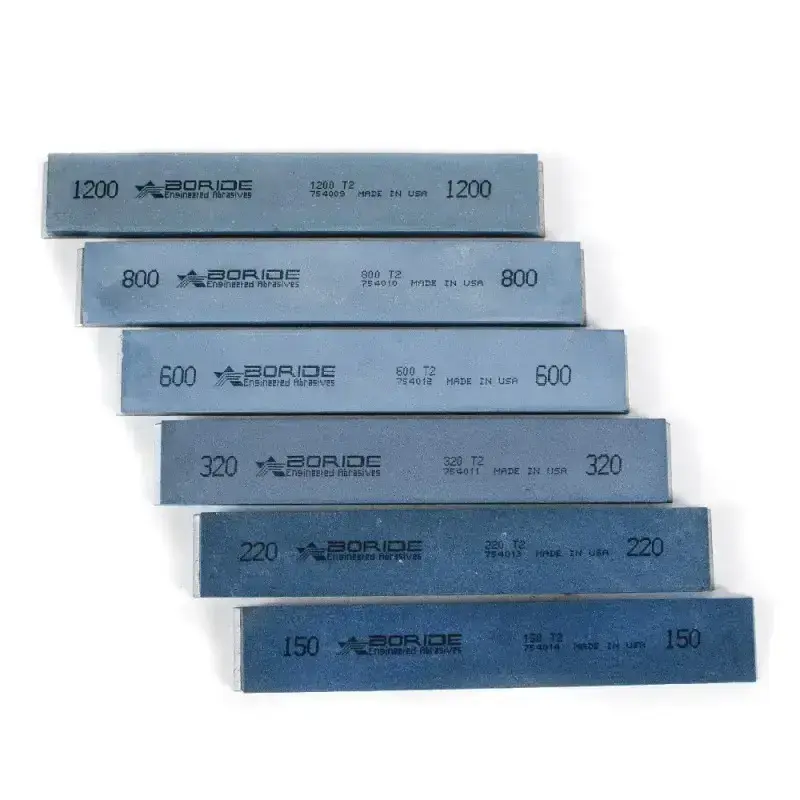
- Choosing the right sharpening stone grit depends on the level of sharpening needed, with lower grit for more aggressive sharpening and higher grit for finer sharpening
- Sharpening jigs provide consistent and precise sharpening angles, making the sharpening process easier and more accurate
- Honing steels are used to realign the edge of a blade, rather than sharpening it, and are an important tool for maintaining sharpness
- Sharpening guides help maintain a consistent angle while sharpening, resulting in a more uniform and effective edge
- Power sharpening tools, such as grinders and belt sanders, can be efficient for sharpening, but require caution and skill to use properly
- Regular maintenance and care, such as cleaning and proper storage, are essential for keeping sharpening tools in good condition and ensuring optimal performance
I now know that sharpening on a regular basis keeps wear and tear at bay, which ultimately saves me money. To keep tools dependable and efficient, I can spend time honing and sharpening them rather than replacing them often. In addition to strengthening my bond with my tools, this practice improves my abilities as a hobbyist or craftsman. Realizing how important it is to sharpen tools has changed the way I approach craftsmanship and made it a regular part of my routine. I’ve learned that there are various kinds of sharpening stones available for use with sharpening tools, each with special qualities and uses.
The three most prevalent kinds are diamond, oil, and water stones. My personal favorite stones are water stones because they cut fast and leave a fine edge. Before using them, they must be soaked in water to keep the stone lubricated and avoid clogging.
For people who value efficiency, they are perfect because of how quickly they can sharpen my tools. However, I have also looked into oil stones as a potential alternative. These stones need to be lubricated with oil while being sharpened; they are usually composed of novaculite or aluminum oxide. Even though they might not cut as fast as water stones, they are durable and, with the right maintenance, can last for years.
| Tool Type | Description |
|---|---|
| Whetstone | A flat stone used for sharpening knives and other tools |
| Sharpening Steel | A rod used to hone the edge of a knife |
| Electric Sharpener | A machine that automates the sharpening process |
| Sharpening Stone | A rectangular block used for sharpening knives and tools |
Not to be overlooked are diamond stones, which are very good at sharpening hard steel tools because of their metal plate coated in diamond particles. I’ve discovered that every kind of stone has pros and cons, and my decision frequently comes down to the particular tool I’m sharpening and the intended result. For my tools to be as sharp as I want them to be, choosing the right grit for sharpening stones is essential. A tool’s ability to be sharpened quickly and efficiently is greatly influenced by grit, which is the size of the abrasive particles on the stone’s surface.
I’ve discovered that higher grit numbers (1000–8000) are better suited for honing and polishing, while lower grit numbers (about 200–600) are best for fixing damaged edges or reshaping blades. To swiftly remove material and reshape the edge of a dull chisel or knife, I usually begin with a lower grit stone. I move on to higher grit stones to further refine the edge after I’ve got a good profile.
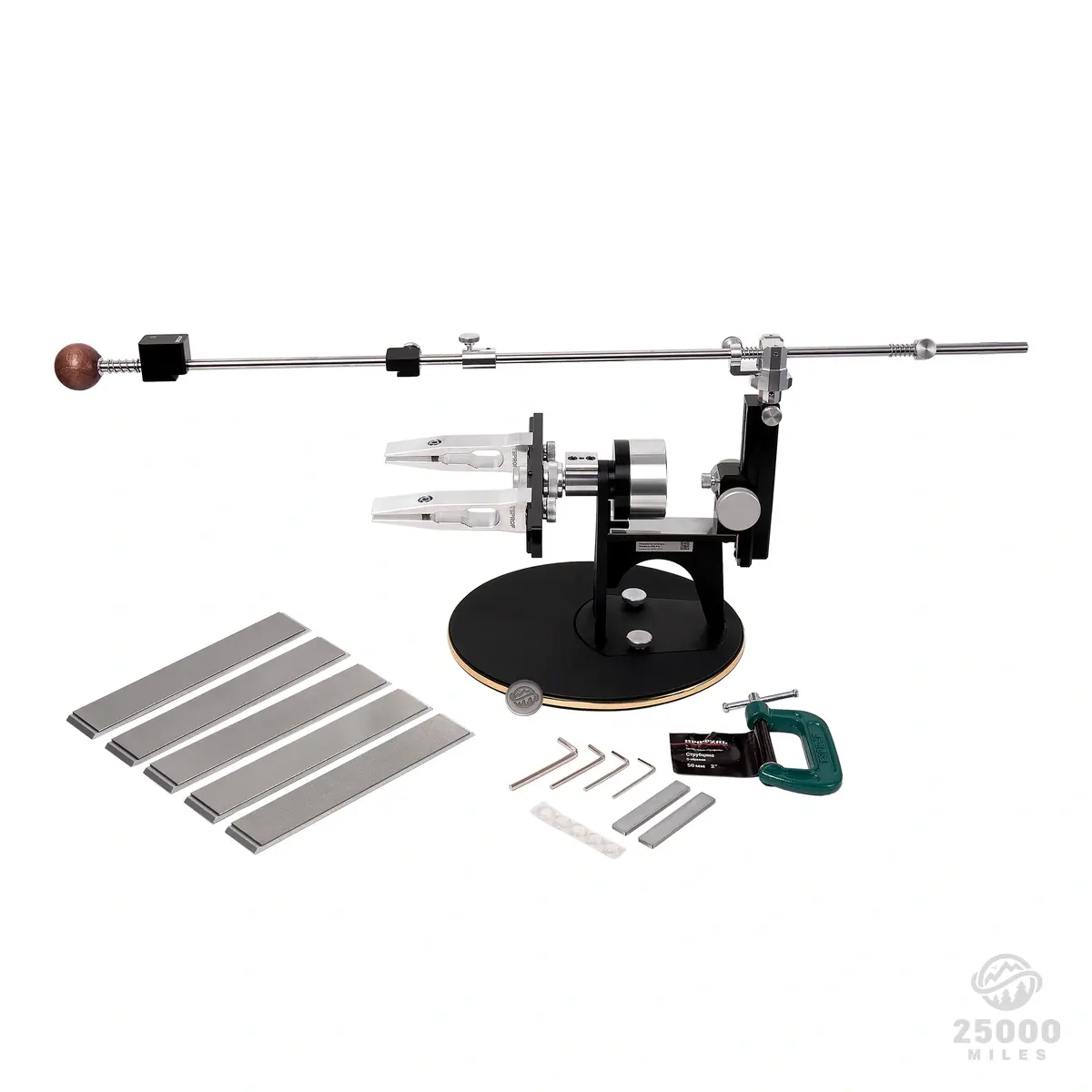
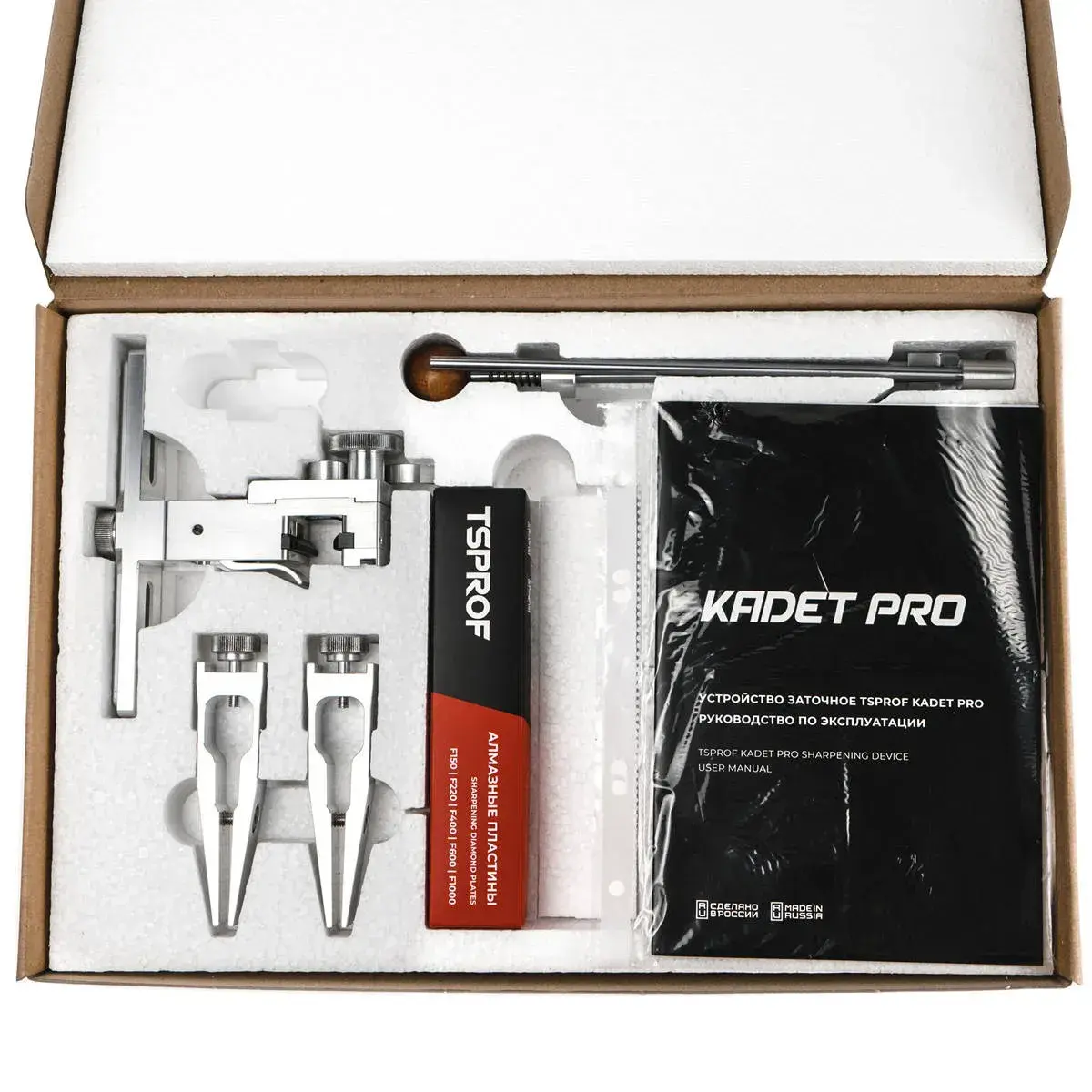
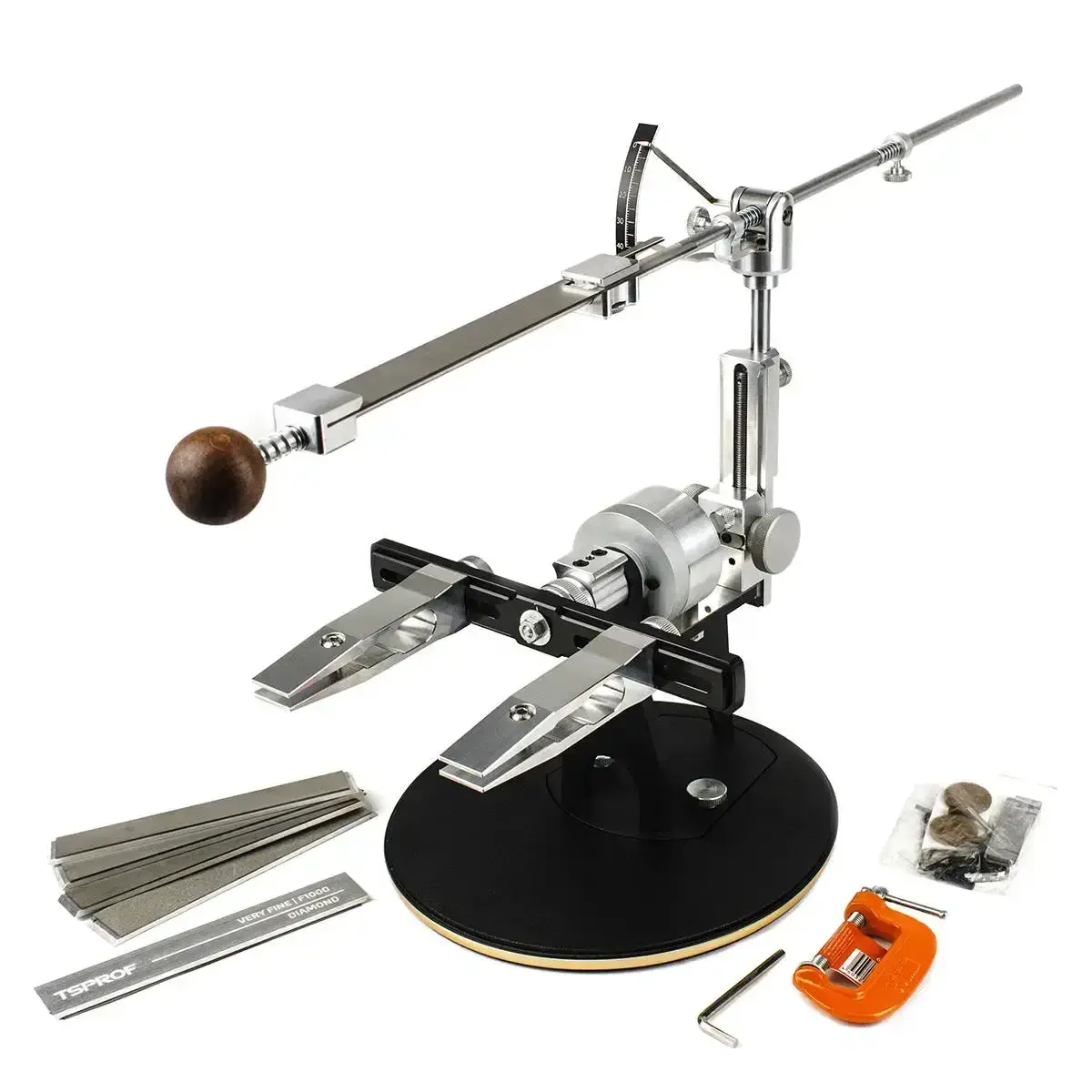
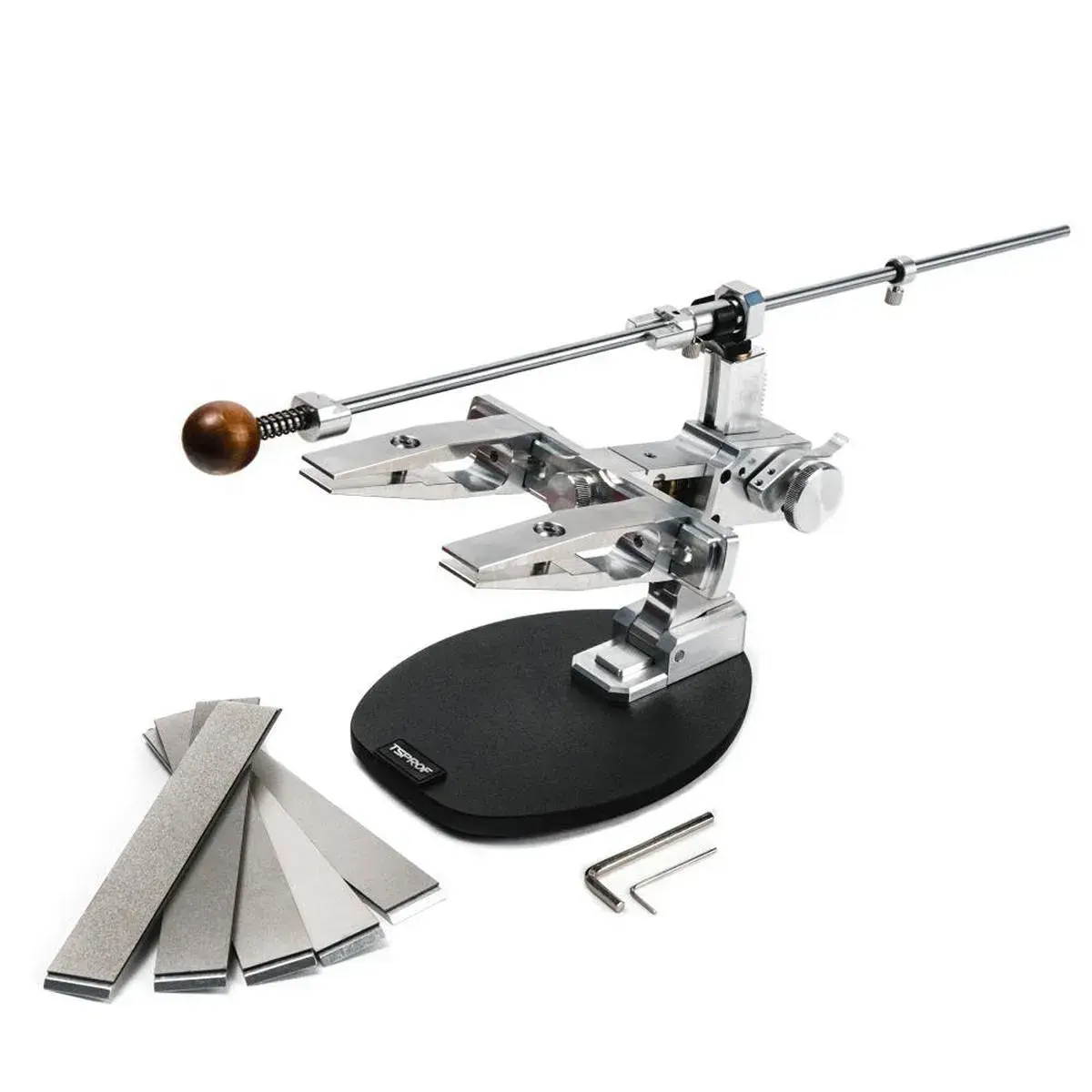
I can get a razor-sharp finish that improves performance with this two-step method. The kind of tool I’m sharpening must also be taken into account; for example, woodworking chisels might need a different method than kitchen knives. I can modify my sharpening procedure to fit the unique requirements of each tool by being aware of the subtleties of grit selection. Throughout my quest to become proficient at sharpening tools, I have discovered sharpening jigs that are incredibly helpful tools for getting reliable results.
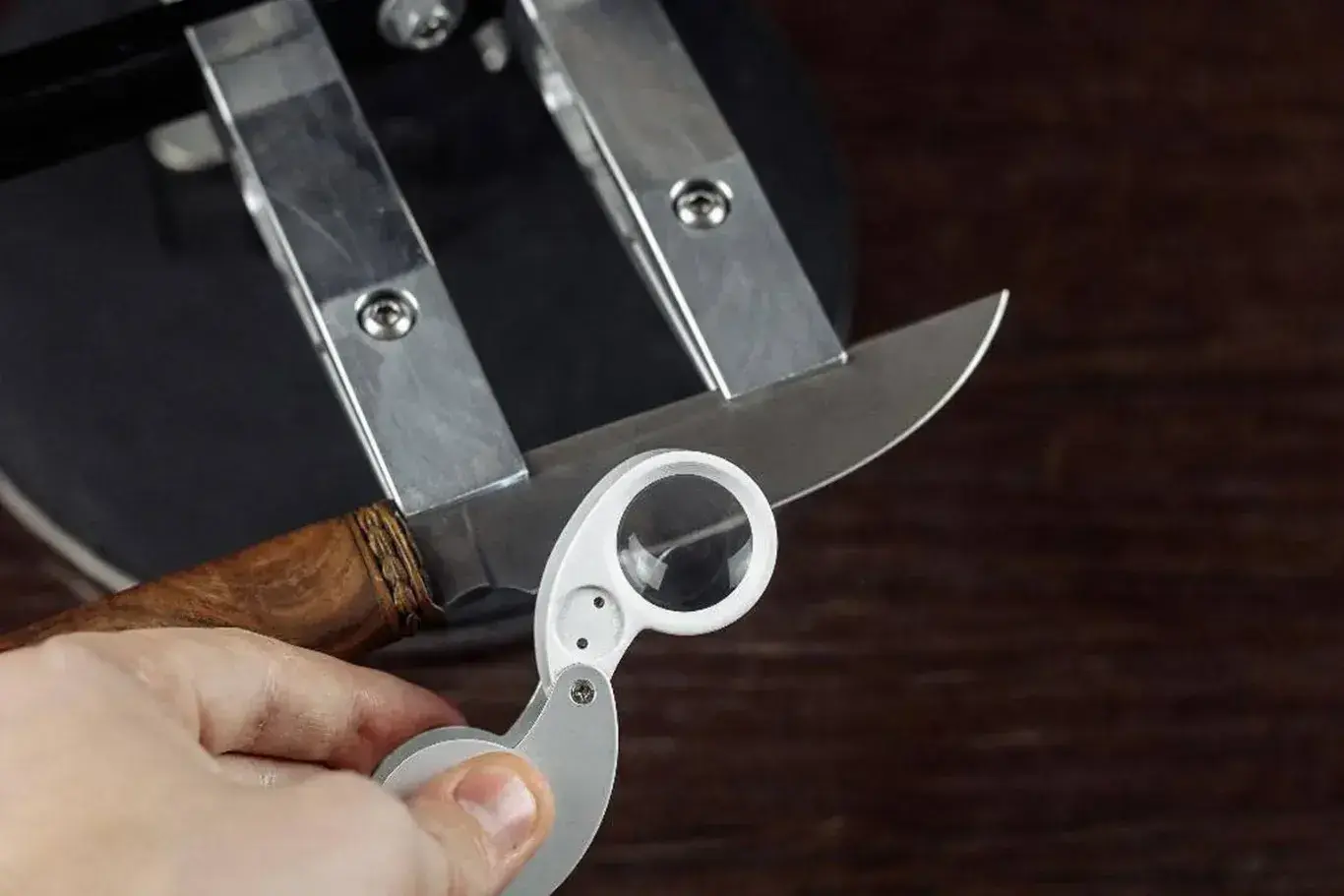
In order to create a sharp edge, these tools aid in maintaining the proper angle while sharpening.
To maintain the angle, I can set the jig to a certain degree, guaranteeing consistency across all sharpened edges, rather than depending entirely on my intuition. The amount of time I spend sharpening tools has also decreased considerably since I started using a jig.
I don’t have to worry about stability while sharpening because the jig is keeping the tool firmly in place. This has made it possible for me to perform at a professional level despite being a hobbyist enthusiast. Also, people who might have trouble with hand-eye coordination or who, because of physical limitations, find it difficult to maintain constant angles will find jigs especially helpful. All things considered, using sharpening jigs has improved and simplified my sharpening technique. Honing steels are yet another crucial item in my sharpening arsenal that I have grown to value greatly. Although they are sometimes mistaken for sharpening tools, honing steels have a different function; instead of removing material, they realign a blade’s edge.
In between more intensive sharpening sessions, I find that honing helps keep my knives or chisels sharp after use. This minor adjustment can have a big impact on performance, particularly in kitchen environments where accuracy is essential. I now know that honing steels are made of steel and ceramic, among other materials. Steel-honed steels are more adaptable and long-lasting, whereas ceramic-honed steels are typically harder & can offer a finer edge.
I can now maintain my tools’ optimal performance without making frequent trips to the sharpening stone thanks to the addition of honing to my routine. Since sharpening guides add another level of control and precision to the process, they have become a vital component of my sharpening equipment. To get the best results, it is essential to maintain constant angles when sharpening, which these guides assist with. When I first started sharpening tools, I frequently had trouble keeping the proper angle throughout, which resulted in uneven edges & frustration.
I can, however, set the ideal angle and let the sharpening guide take care of the rest if I have one. The ability of sharpening guides to fit different tool sizes and types is one of their biggest benefits, in my opinion. There is probably a guide that works well for both sturdy chisels and delicate paring knives. I can now experiment with different tools without worrying about sacrificing their edges thanks to their versatility.
Using a guide has also given me more confidence in my sharpening skills; I can concentrate on improving my technique knowing that I have a trustworthy tool to help me. Power sharpening tools have become a viable substitute for conventional techniques as technology advances. Despite my initial skepticism, I’ve grown to value these tools’ speed and convenience.
With power sharpeners, many tools can have their edges restored quickly and with little manual labor. But in order to prevent breaking my tools, I must know how to use them correctly. Power sharpeners frequently produce heat while in use, which, if not closely watched, can alter the temper of some steels. This is one important thing I’ve learned.
I make sure to use oil or water as a lubricant while sharpening in order to reduce this risk. Also, it is essential that I choose power sharpeners made especially for the kind of tool I am using; not all sharpeners are made equal, & using the incorrect one can result in poor performance or even damage. I have successfully incorporated power sharpening tools into my routine by using them with caution and knowledge.
Last but not least, preserving & taking care of my sharpening tools is crucial to guaranteeing their durability and efficiency. Maintaining cleanliness is essential; I make it a practice to wipe down my stones and guides after every use in order to get rid of any debris or metal shavings that might have accumulated during sharpening. This usually entails washing water stones under running water, letting them air dry completely, and then putting them away. I’ve also discovered that maintaining the integrity of my sharpening tools requires proper storage. Over time, rust and degradation can be avoided by keeping them dry and away from moisture.
When not in use, I keep my jigs and guides in protective cases or pouches to prevent scratches and damage. My sharpening tools will continue to be dependable allies in my crafting endeavors for many years to come thanks to these easy yet efficient maintenance procedures. In conclusion, my perspective on craftsmanship has changed as a result of learning the nuances of tool sharpening. Every element is essential to getting the best results, from choosing the appropriate stones and grits to using jigs and honing steels in my routine.
I’m still dedicated to improving my abilities & making sure my tools are efficient and sharp for all of my upcoming projects as I continue to study this art form.
If you’re interested in learning more about sharpening tools, you may want to check out the article on the 25000miles website titled “The Importance of Keeping Your Tools Sharp.” This article discusses the benefits of using sharp tools and provides tips on how to properly maintain and sharpen them.
FAQs
What are the different types of sharpening tools?
There are several types of sharpening tools, including sharpening stones, sharpening steels, electric sharpeners, and sharpening systems.
What is a sharpening stone?
A sharpening stone is a traditional tool used to sharpen blades and edges. It can be made of natural or synthetic materials and comes in various grits for different levels of sharpening.
What is a sharpening steel?
A sharpening steel, also known as a honing steel, is a long, rod-shaped tool used to realign the edge of a blade. It does not actually sharpen the blade but helps maintain its sharpness.
What is an electric sharpener?
An electric sharpener is a motorized tool that uses abrasive materials to sharpen blades. It is convenient and efficient for quickly sharpening knives and other cutting tools.
What is a sharpening system?
A sharpening system is a comprehensive tool that includes various sharpening stones, guides, and other accessories to provide a complete sharpening solution for different types of blades and edges.