The Art of Sharpening: A Comprehensive Guide One basic fact emerges as I learn more about the world of tools: precise & effective work requires sharp tools. The sharpness of my tools directly affects the caliber of my work, whether I’m making furniture, tending to the garden, or cooking. Using dull blades can result in accidents, wasted time, and frustration. In addition to making the task simpler, a sharp tool improves the end product’s quality. When I use a sharp knife in the kitchen, for example, I can easily cut through vegetables while maintaining their texture and flavor. Also, it is safer to use sharp tools. Learn more about our journey at About us.
Key Takeaways
- Sharp tools are essential for safety, efficiency, and precision in woodworking and other crafts.
- The right sharpening method depends on the type of tool and the level of sharpness required.
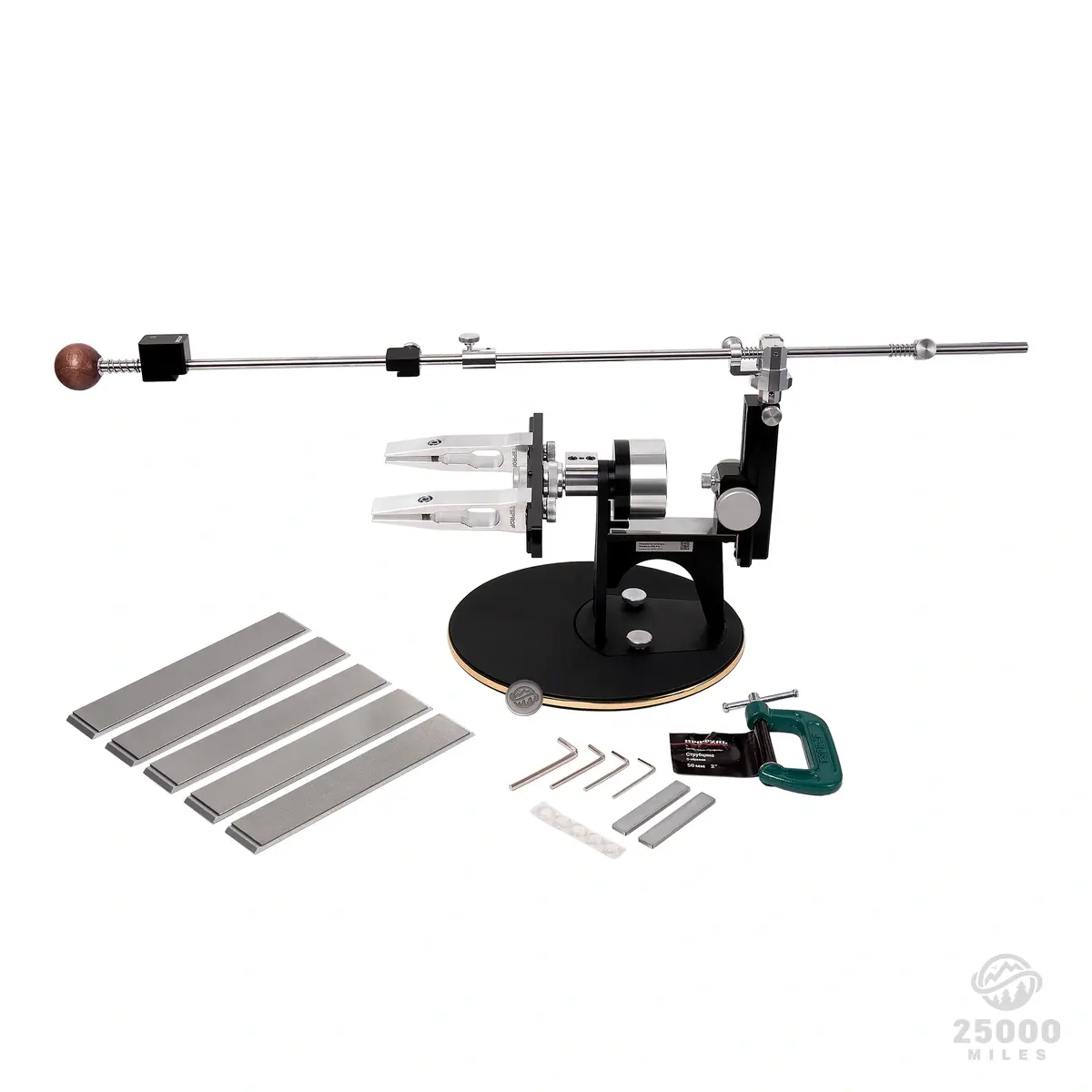
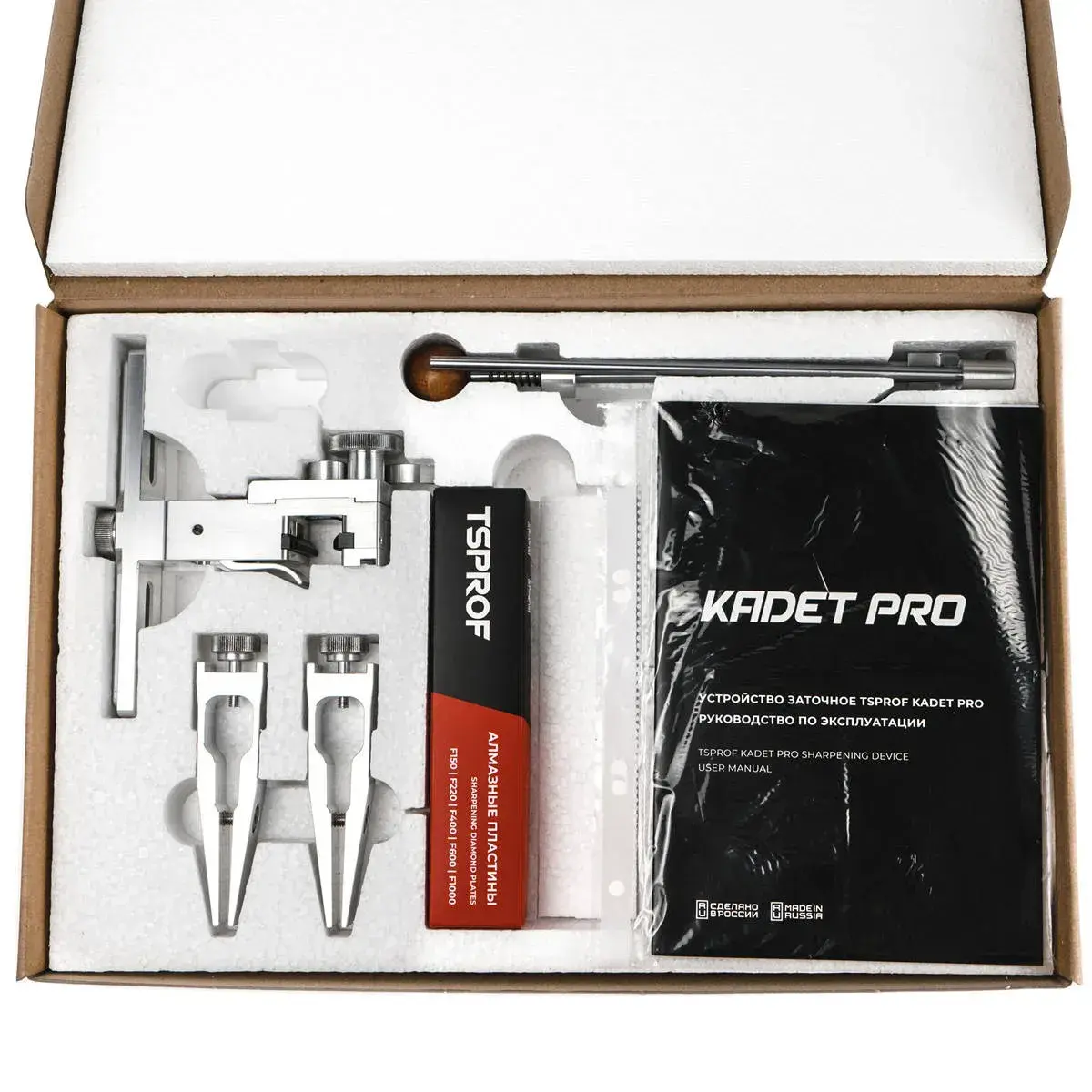
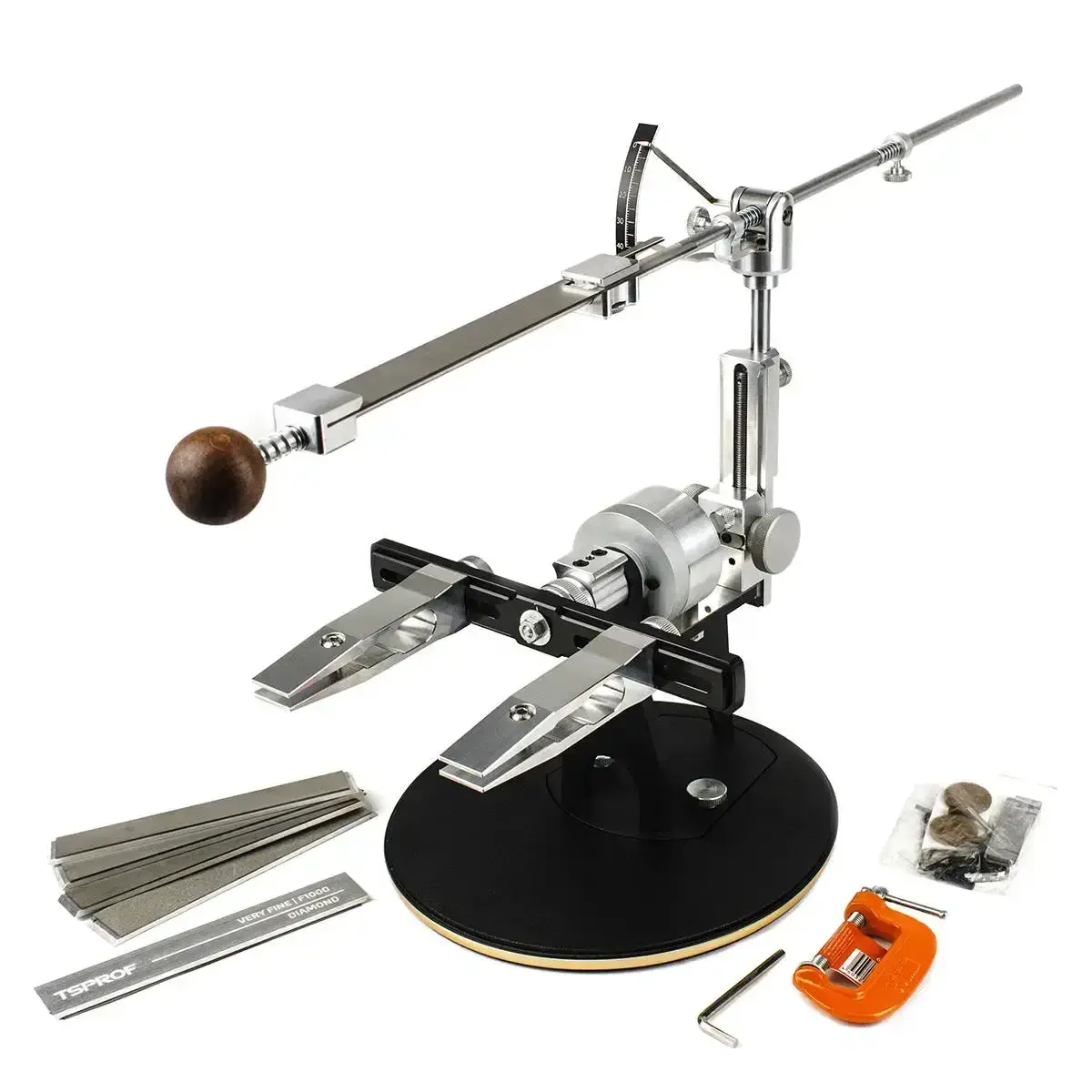
- Essential tools and materials for sharpening include sharpening stones, honing guides, and lubricants.
- A step-by-step guide to sharpening common tools includes preparing the tool, setting the bevel angle, and honing the edge.
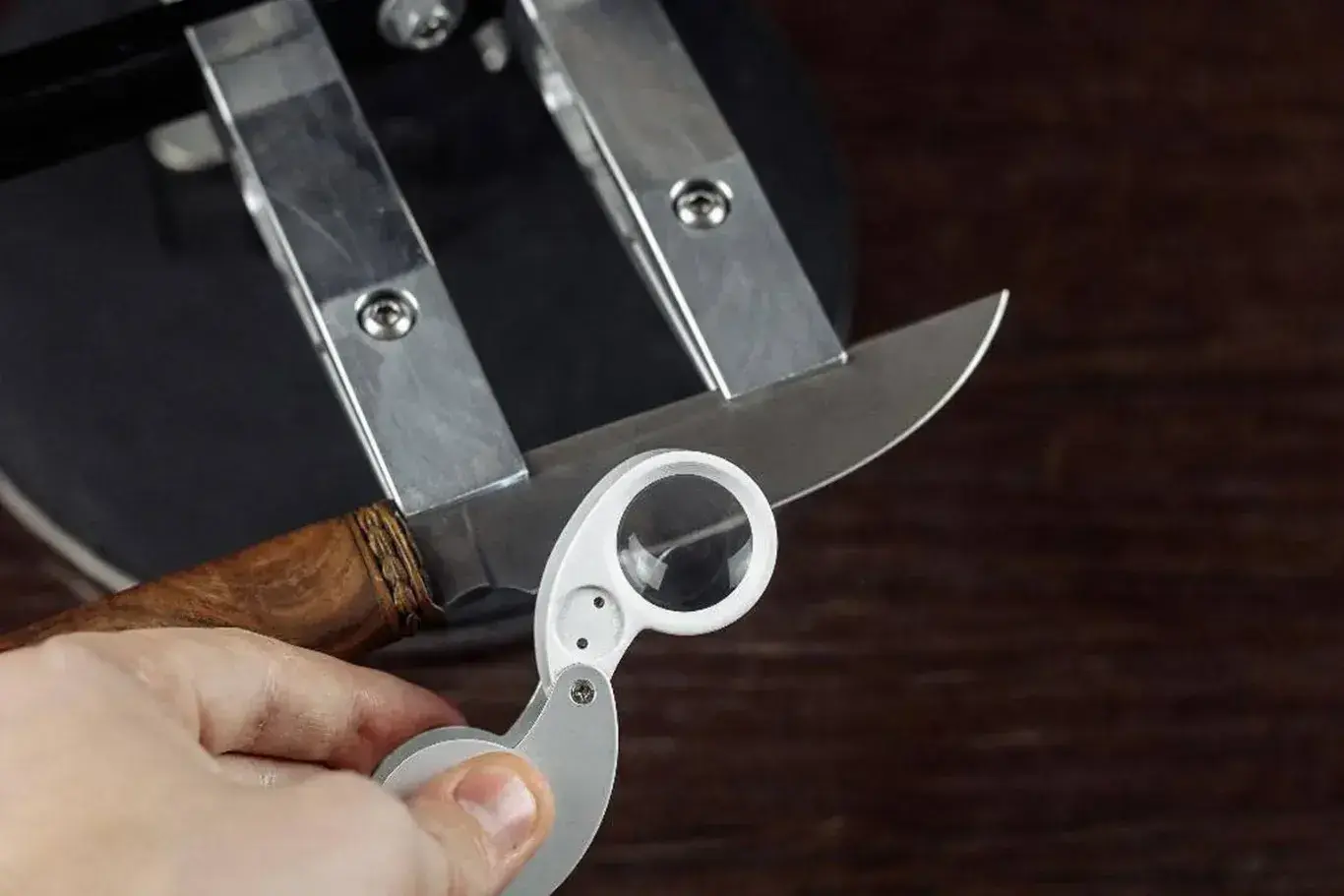
- Tips and tricks for achieving a razor-sharp edge include maintaining consistent pressure and using a magnifying glass for precision.
- Maintaining and storing sharpened tools involves regular honing, proper storage, and protection from moisture and corrosion.
- Troubleshooting common sharpening issues includes addressing uneven edges, burrs, and excessive wear on the sharpening stone.
- Advancing sharpening skills involves honing and polishing techniques to achieve an even finer edge for specialized tasks.
Although it might seem counterintuitive, a dull blade needs more force to cut through materials, which raises the possibility of accidents due to slippage. I’ve discovered that a sharp, well-maintained tool maximizes control and lowers the risk of mishaps. In my experience, making the effort to keep my tools sharp results in increased efficiency & safety. Realizing the value of sharp tools is the first step towards achieving the unparalleled satisfaction that comes from finishing a task precisely.
I’ve found that choosing the best technique is essential to getting the best results when it comes to sharpening my tools. There are numerous approaches that are appropriate for distinct kinds of instruments and supplies. For example, I frequently use whetstones for my kitchen knives because they give them a fine edge and enable exact control while sharpening. In contrast, I like to use a honing rod for fast touch-ups in between more extensive sharpenings.
I was able to select the best sharpening technique by being aware of the particular requirements of each tool. The kind of steel that goes into my tools is another thing to think about. Different sharpening methods work better on different materials. High-carbon steel blades, for instance, might need different maintenance than stainless steel ones. I’ve discovered that learning about the particular needs of my tools has significantly improved their functionality.
| Tool | Sharpening Angle | Sharpening Method |
|---|---|---|
| Chisels | 25-30 degrees | Whetstone or honing guide |
| Knives | 15-20 degrees | Sharpening stone or honing rod |
| Axes | 25-30 degrees | File or grinder |
I’ve also tried using electric sharpeners for my chisels & lawnmower blades, which can save time & effort without sacrificing quality. Understanding my tools and their distinct qualities is ultimately what will help me choose the best sharpening technique. I’ve assembled a set of necessary equipment and supplies to start my sharpening journey because they help make the process productive and successful. The most important item in my toolbox is a high-quality whetstone.
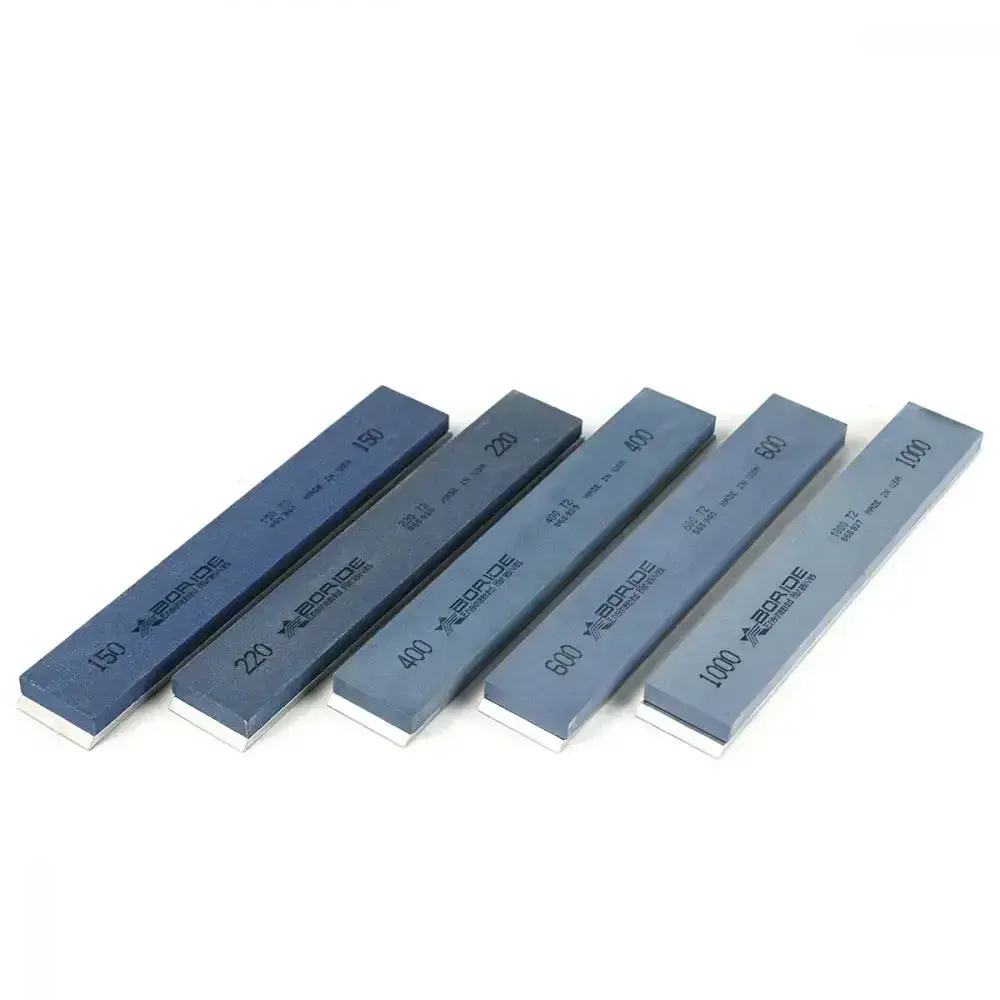
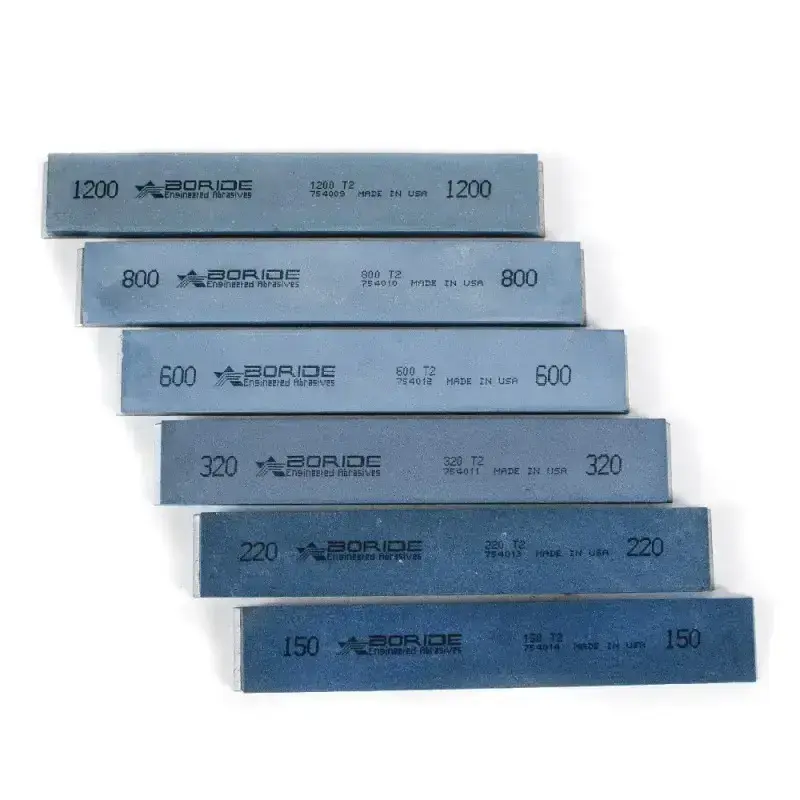
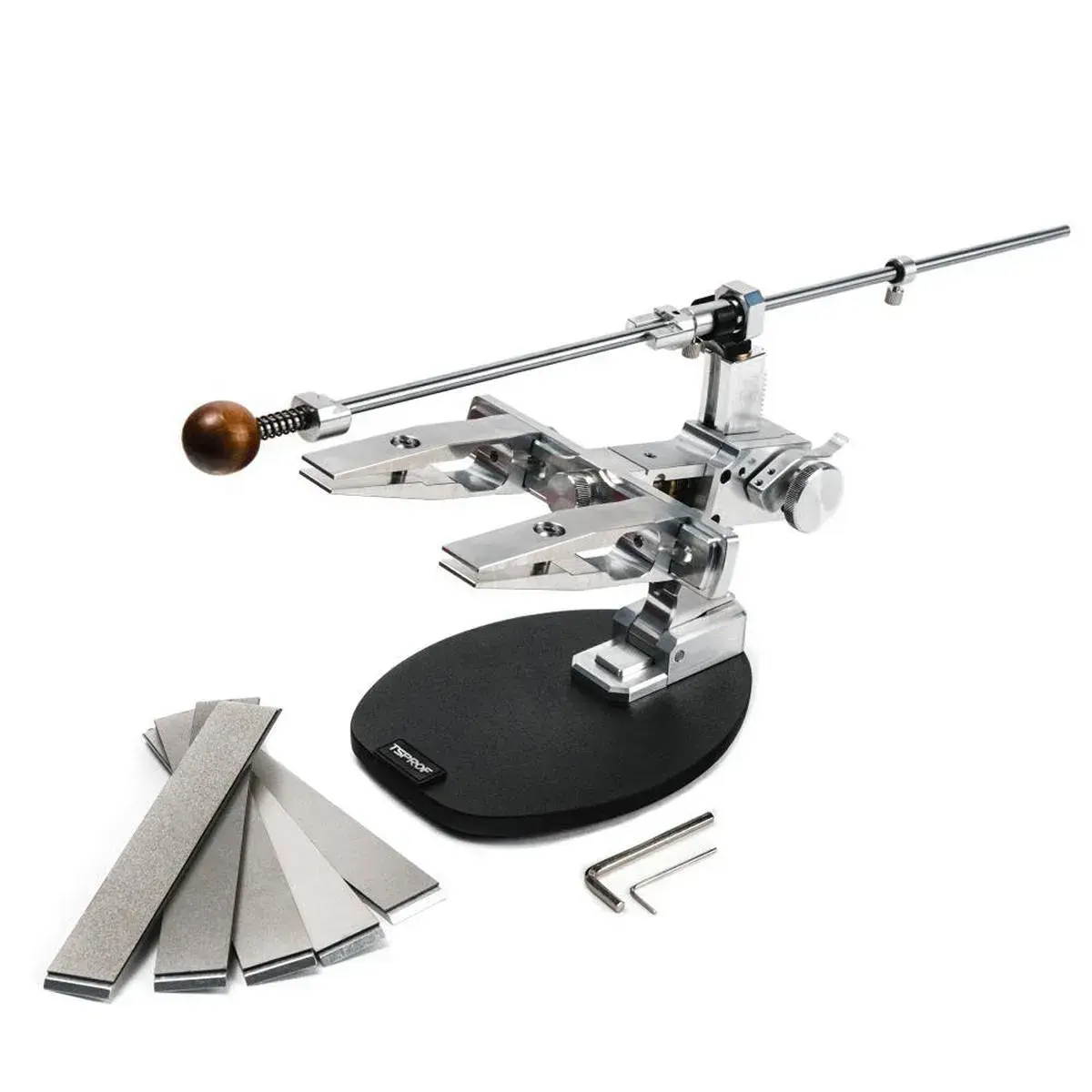
I like to use a stone with two sides and varying grits; one side is fine for honing and coarse for reshaping edges. I can handle a variety of sharpening tasks with ease thanks to my versatility. I’ve discovered that having a honing guide is just as helpful as whetstones. A razor-sharp edge is achieved by maintaining a constant angle during the sharpening process, which is aided by this tool. In order to further refine the edge and get rid of burrs from the sharpening process, I also keep a leather strop handy for polishing my blades after I’ve finished sharpening them.
Last but not least, depending on whether I’m using an oil stone or a water stone, I always have some mineral oil or water nearby. While sharpening, these lubricants aid in lowering friction & avoiding stone damage. At first, sharpening tools might seem difficult, but I’ve created a simple, step-by-step tutorial that makes it easier. To sharpen my kitchen knives, for example, I first soak the stone in water for ten to fifteen minutes if it’s a water stone.
When it’s ready, I set it down on a sturdy surface & cover it with a moist cloth to keep it from slipping. Then, I start with light strokes on the coarse side while holding the knife against the stone at a 20-degree angle. I sweep the blade from heel to tip across the stone, applying even pressure. I flip the knife over after making multiple passes on one side and do it again on the other. To further sharpen the edge, I move from the coarse grit to the fine side of the stone after both sides have been sharpened.
This process guarantees that I will have a durable, sharp blade that is ready for use. I take a similar approach with other tools, such as garden shears or chisels, but make minor adjustments to my technique depending on their design. I try to keep my chisel angle constant while making short strokes across the surface of the stone.
I make sure both blades of my garden shears are properly aligned after sharpening by paying close attention to them. I’ve been able to maintain the best possible condition for all of my tools by regularly following these steps. In order to get that desired razor-sharp edge on my tools, I’ve learned a few tips and tricks over the years. Maintaining a constant angle during the sharpening process is among the most crucial lessons I’ve learned.
Maintaining that angle guarantees that I produce an even edge free of weak spots, whether I’m using a whetstone or a honing rod. Another trick is to sharpen with light pressure; it’s easy to get carried away and press too hard, which can damage the tool or result in uneven edges. Rather, I concentrate on using deliberate, fluid strokes that let me progressively sharpen the edge without sacrificing its integrity. Also, I’ve discovered that taking pauses during longer sharpening sessions helps me stay focused and prevents fatigue, which can cause errors.
Finally, maintaining my tools on a regular basis is essential to keeping them sharp for longer. I establish the practice of regularly touching up my blades rather than waiting until they become dull. In addition to saving time, this proactive approach guarantees that my tools are always available when I need them.
laundry & cleaning. Cleaning my tools after every use is one of my fundamental habits because residue accumulation can eventually dull edges. I wash my kitchen knives by hand instead of in the dishwasher because strong detergents and high heat can harm the handle and blade.
Protection & Storage. I’ve discovered that it’s crucial to store my sharpened tools in a secure manner. By keeping knives away from other utensils, a magnetic strip or knife block can help avoid unintentional nicks or dulling. To prevent moisture & physical harm, I also keep chisels & other edged tools in cases or protective sheaths. Consistent maintenance and inspection. I also periodically inspect my stored tools for corrosion or rust.
I take care of any problems right away by cleaning & lubricating the impacted areas. I can make sure my sharpened tools stay in top shape for many years to come by following these instructions for proper maintenance & storage. It can be annoying when I run into common sharpening problems, even with my best efforts. During sharpening, one such issue is producing a burr on one side of the blade, which, if left unchecked, can result in an uneven edge. When that occurs, I pause to evaluate my method and make sure that, when sharpening, I’m exerting the same amount of pressure on both sides of the blade.
Oversharpening, or producing an edge that is too thin and might not withstand use, is another problem I’ve encountered. I’ve learned to keep an eye on how many passes I’m making on each side of the blade and to check for sharpness frequently while working rather than waiting until I’m done in order to avoid this hazard. When I discover that I have over-sharpened a tool, I frequently use a strop or finer grit stone to smooth the edge without taking away too much material.
Finally, it might be time to reevaluate my sharpening tools if I’m having trouble getting a sharp edge even after correctly following all the instructions. Inadequately maintained honing rods or worn-out stones can seriously impede my efforts. I have been able to sharpen my skills & consistently get better results by proactively troubleshooting these common issues. I’ve started looking into more complex methods like honing & polishing to improve my skills as I’ve grown more assured of my sharpening abilities. A crucial step in maintaining a blade’s edge sharpness between complete sharpenings is honing, which entails realigning the edge after it has been sharpened.
I’ve discovered that using a honing rod on a regular basis allows me to maintain my knives’ optimal performance without having to visit the whetstone as frequently. Another method that I’ve adopted for my sharpening regimen is polishing. I frequently use a leather strop containing polishing compound after honing my blades in order to further smooth the edge & eliminate any tiny sharpening flaws. In addition to improving sharpness, this step gives my blades a lovely finish that matches their performance.
Depending on the kind of tool I’m using, I’ve also started experimenting with various polishing agents and methods. For example, compared to chisels or garden tools, kitchen knives produce remarkable results when treated with finer compounds. I’ve been able to attain razor-sharp edges that enhance the efficiency and enjoyment of every task by improving my abilities in honing and polishing techniques.
In conclusion, developing my sharpening skills has changed the way I approach tool-related tasks. Every stage plays a vital role in attaining optimal performance, from realizing their significance to selecting suitable techniques and keeping them up to date. I’m eager to try out new methods as I continue to hone my craft and impart what I’ve discovered to people who appreciate craftsmanship as much as I do.
If you’re interested in learning more about tools and equipment maintenance, you may want to check out the article on the 25,000 Miles website titled “How to Properly Maintain Your Camping Gear.” This article offers valuable tips and advice on how to keep your camping equipment in top condition, ensuring that it will last for many outdoor adventures to come. You can read the full article here.
FAQs
What tools can be sharpened?
Common tools that can be sharpened include knives, scissors, chisels, axes, garden shears, and lawnmower blades.
What are the different methods for sharpening tools?
There are several methods for sharpening tools, including using a sharpening stone, a honing guide, a sharpening jig, a bench grinder, or a leather strop. Each method has its own advantages and is suitable for different types of tools.
How often should tools be sharpened?
The frequency of sharpening tools depends on how often they are used and the type of material they are used on. Generally, tools should be sharpened when they start to show signs of dullness, such as difficulty cutting or a rough edge.
What are the benefits of sharpening tools?
Sharpening tools regularly helps maintain their effectiveness and prolongs their lifespan. Sharp tools also provide cleaner cuts, reduce the effort required to use them, and improve overall safety.
What safety precautions should be taken when sharpening tools?
When sharpening tools, it is important to wear safety goggles to protect the eyes from any debris. Additionally, it is important to ensure that the tool being sharpened is securely held in place to prevent any accidents.