The Art of Sharpening: A Complete Guide to Tool Maintenance Having worked in kitchens and workshops for many hours, I have learned how important sharp tools are to attaining accuracy and productivity. Whether I’m cutting vegetables or carving wood, the quality of my work is directly impacted by how sharp my tools are. I frequently find myself using too much force, which can cause slips and injuries, so dull tools not only make tasks more difficult but can also cause accidents. Thus, appreciating the significance of sharpening tools goes beyond simply keeping them functional; it also involves guaranteeing their safety and improving the user experience in general. Learn more about our journey at About us.
Key Takeaways
- Sharpening tools is important for maintaining the effectiveness and longevity of your tools
- There are various types of sharpening tools, including whetstones, sharpening steels, and electric sharpeners
- When choosing a sharpening tool, consider the type of tool you are sharpening and your skill level
- Basic techniques for sharpening tools include finding the correct angle and applying consistent pressure
- To maintain and care for sharpening tools, clean them regularly and store them properly
Also, a key component of tool longevity is sharpening. I’ve discovered that keeping my tools maintained can greatly increase their lifespan and ultimately save me money. By keeping the edge in good condition, I can keep my tools from breaking down & needing to be replaced for years. Also, because I take the time to maintain my tools & learn about their special qualities, this practice helps me develop a closer bond with them. In summary, sharpening is an art form that embodies my dedication to fine craftsmanship rather than just being a chore. Whetstones: An Everlasting Icon.
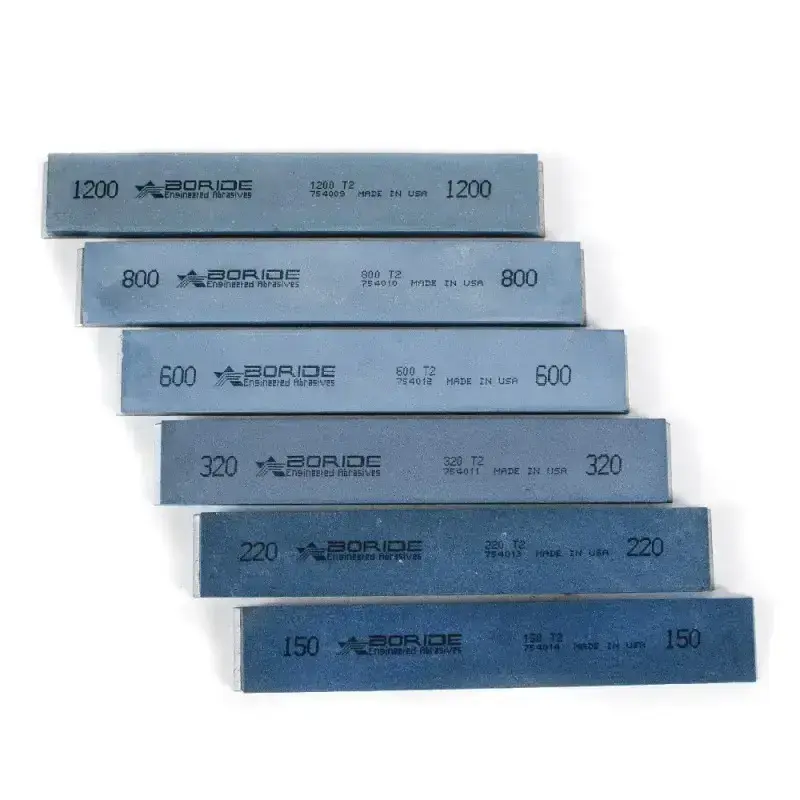
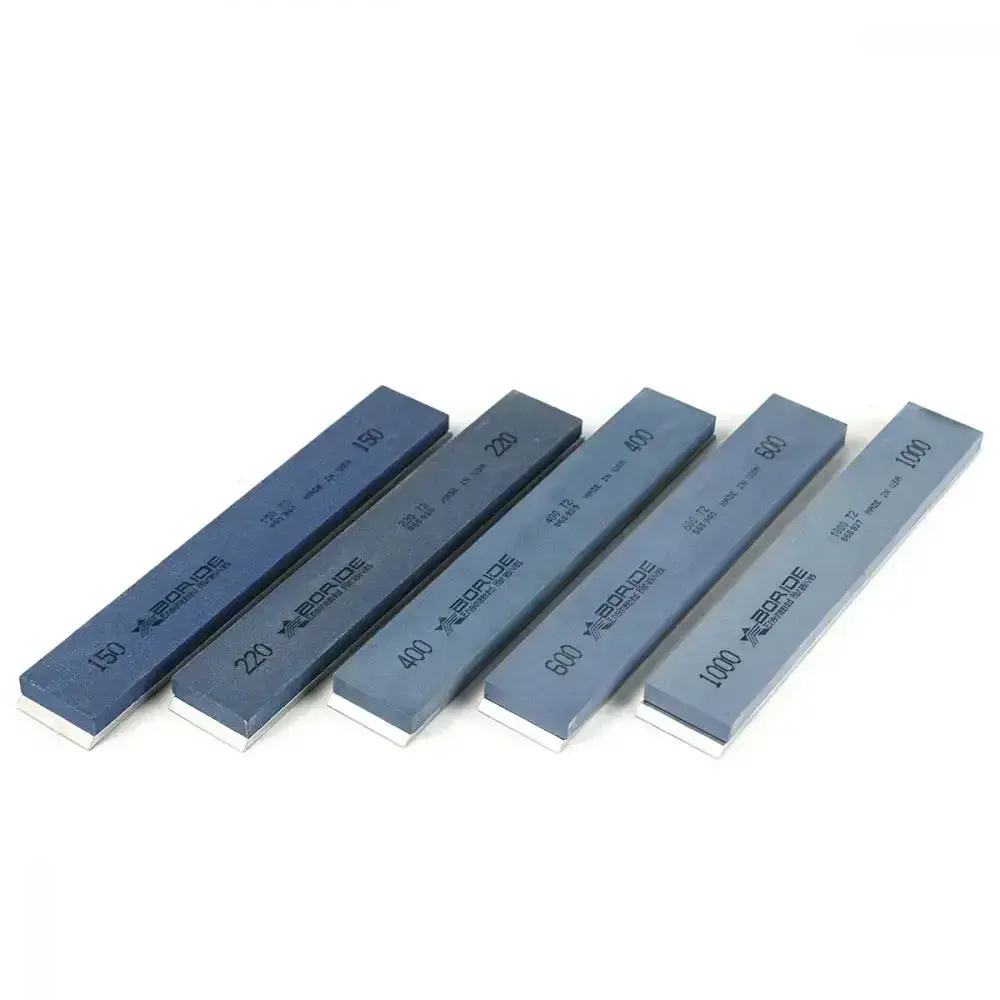
Whetstones, which have been a mainstay of tool maintenance for centuries, are among the most widely used. Because these stones are available in different grits, I can select the ideal degree of abrasiveness for my requirements. Because I can change the angle and pressure based on the tool I’m sharpening, I frequently find that using a whetstone gives me a sense of control and accuracy. Steel sharpeners are a kitchen necessity. Sharpening steel is another common choice; it’s especially helpful for keeping kitchen knives sharp.
I like how simple it is to use—just a few swipes along the steel will realign the edge without taking away a lot of material. Electric Sharpeners: Practicality and Care. Also, electric sharpeners are available for those who would rather use a more automated method. They’re quick and easy, but I’m careful when using them because they can sometimes remove too much material too quickly, which could shorten the life of my tools.
| Tool Type | Usage | Sharpening Angle |
|---|---|---|
| Whetstone | Hand tools, kitchen knives | 15-20 degrees |
| Sharpening Steel | Kitchen knives | 20 degrees |
| Diamond Stone | High carbon steel tools | 25 degrees |
Every kind of sharpening tool has pros and cons, and being aware of these subtleties has enabled me to choose the best one for my needs. With so many options available, choosing the best sharpening tool can be difficult. I’ve discovered that my frequent tool usage & degree of sharpening technique experience should inform my decision.
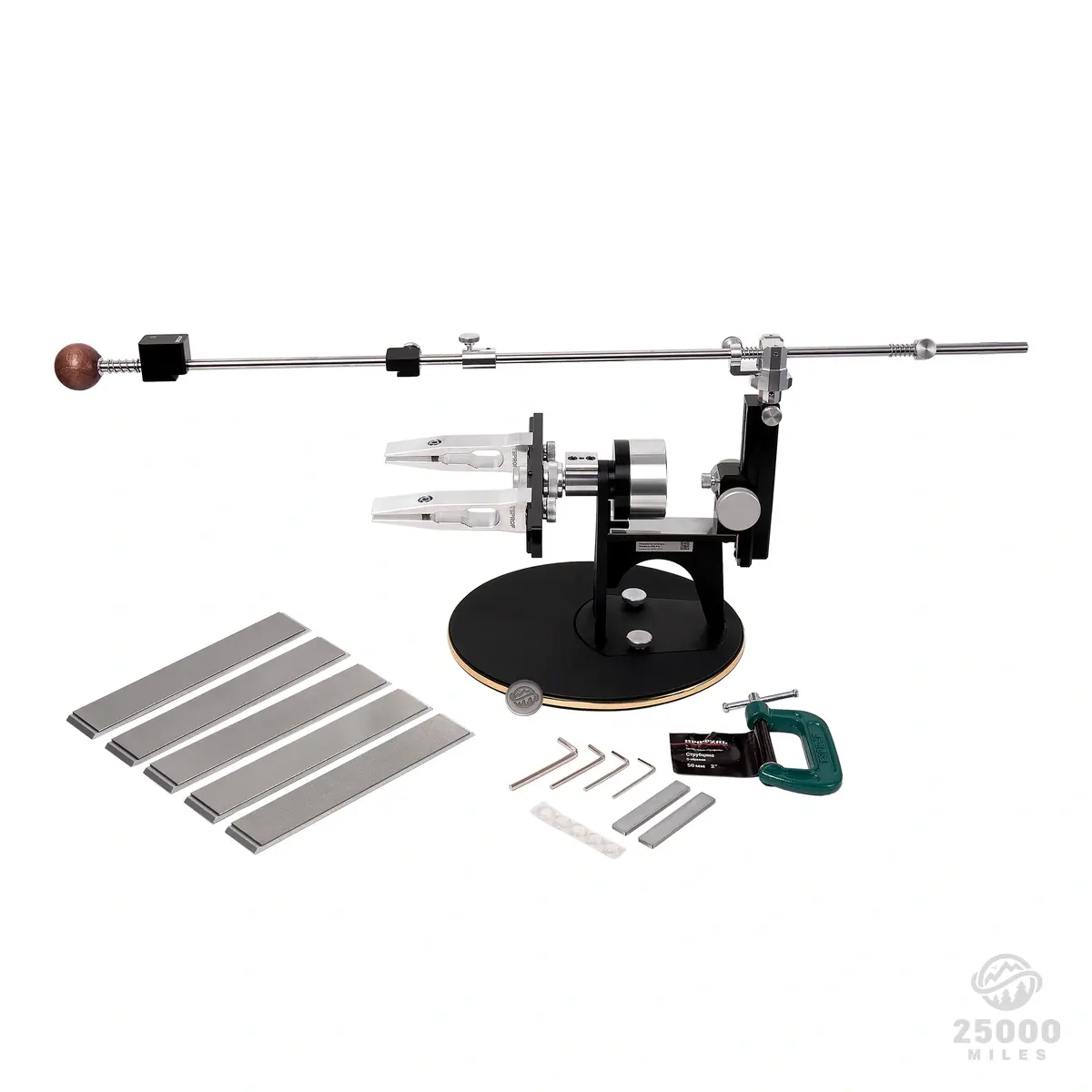
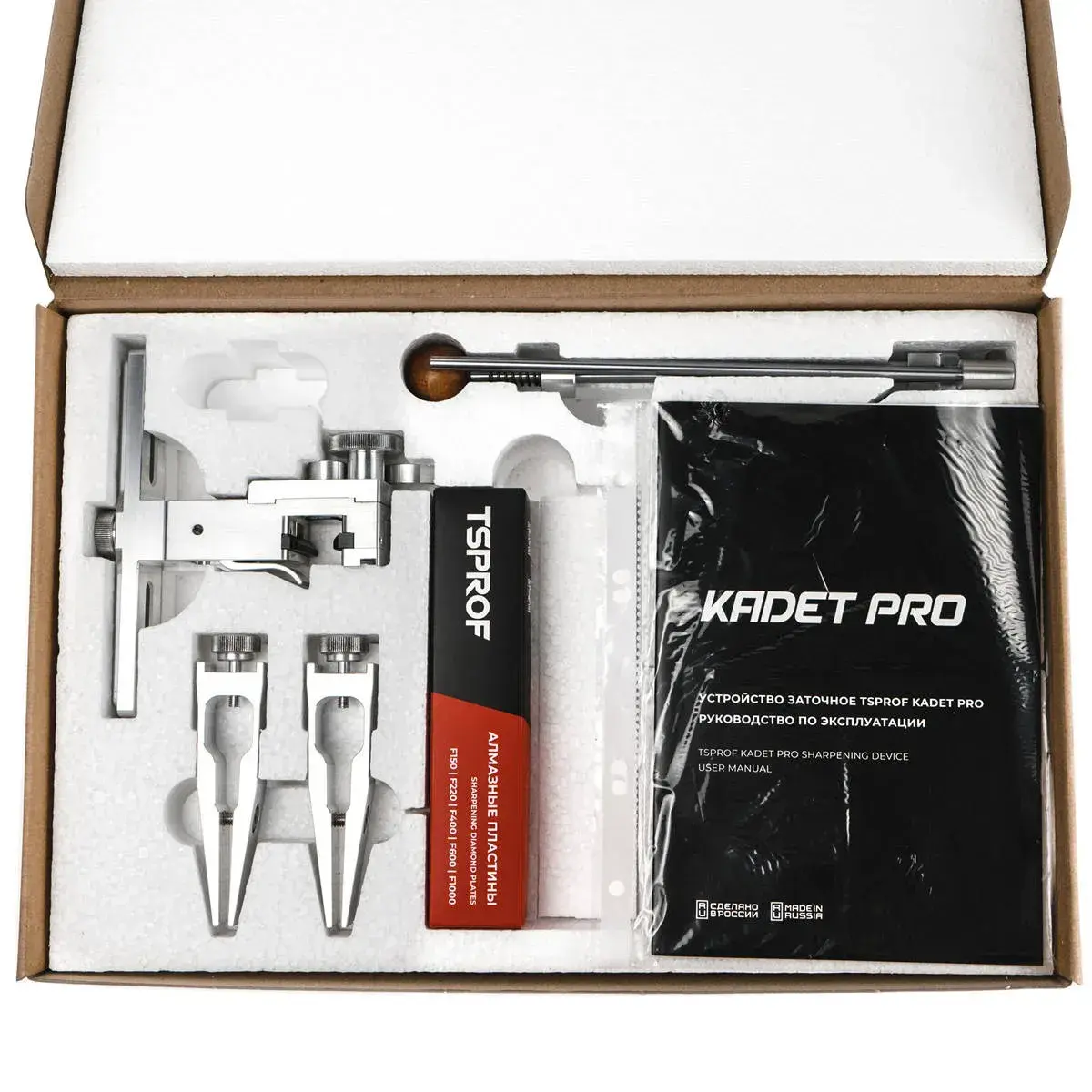
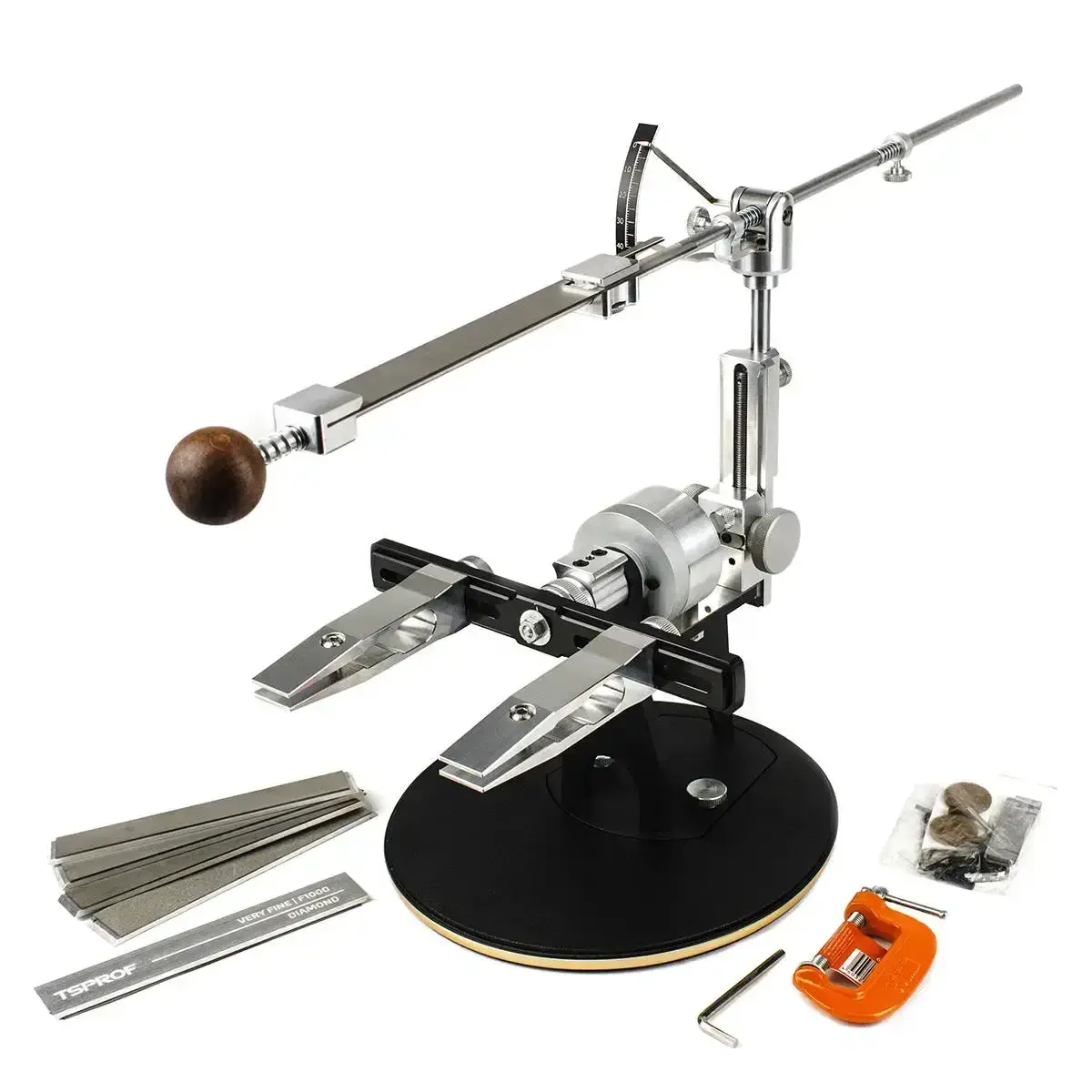
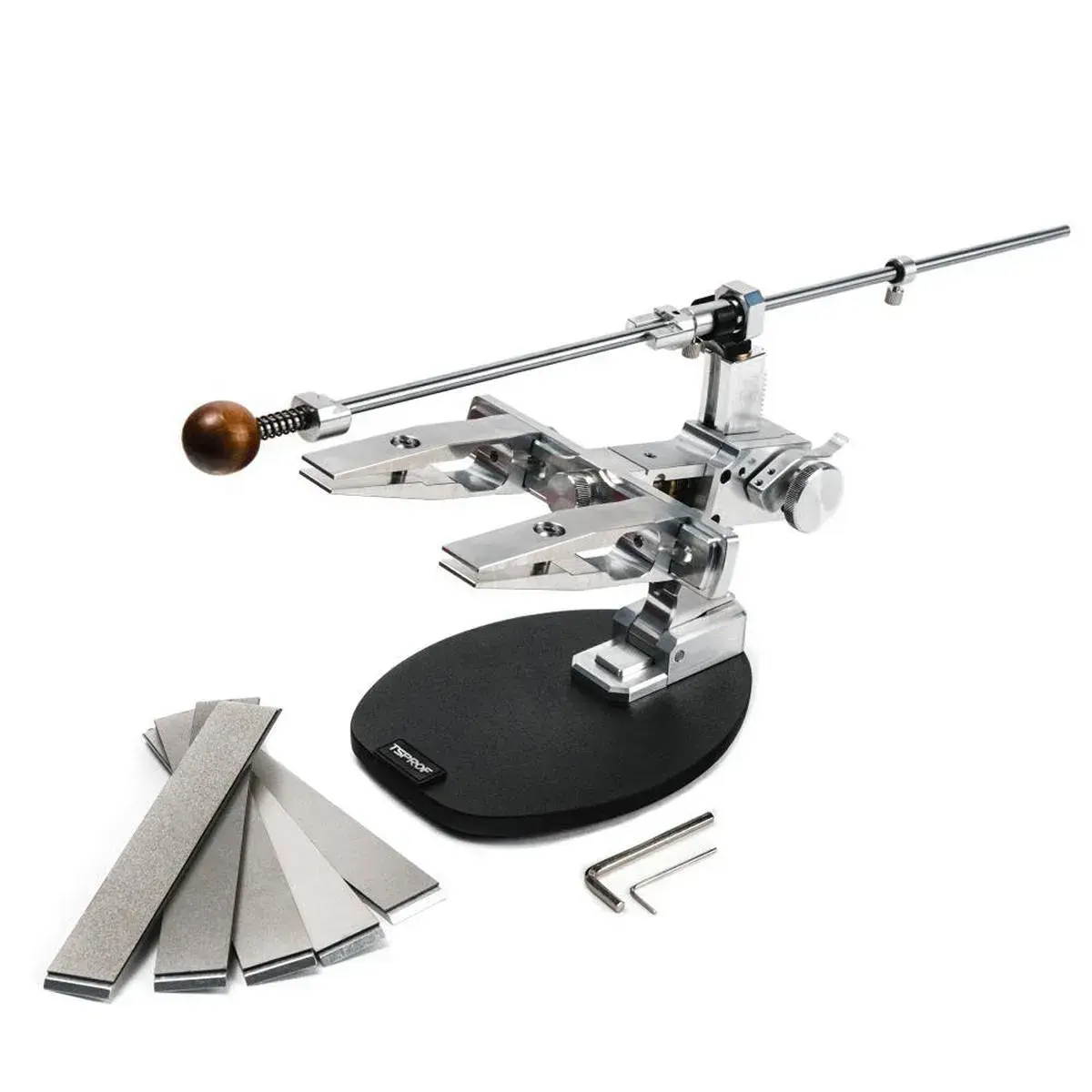
Investing in a good whetstone or honing rod is crucial, for example, if I work primarily with high-quality kitchen knives. On the other hand, a diamond stone or a specialized sharpening jig might be more suitable if I’m working with woodworking tools like chisels or plane blades. While selecting a sharpening tool, I also take my comfort level and personal preferences into account. The speed & efficiency of an electric sharpener may be more appealing to some people than the tactile experience of a whetstone. Finding what works best for me has been made possible by my experimentation with various tools.
In the end, the ideal sharpening tool should suit my particular requirements and improve my sharpening experience in general. It’s time to start sharpening after selecting my tool.
A 20-degree angle works best for most knives, but a steeper angle of about 25 degrees might be needed for chisels. In order to see where I’m making contact and to make sure I’m keeping an even angle throughout the process, I frequently color the blade’s edge with a marker before sharpening.
Using consistent strokes has also proven to be a very useful technique. I strive for even, smooth strokes all the way along the blade, whether I’m using a honing rod or a whetstone. This keeps the tool from wearing unevenly & also helps to produce a sharper edge. I’ve discovered that taking my time rather than hurrying through this process produces better results. After all, developing a sharp edge takes commitment and practice, so patience is essential.
I’ve discovered that keeping my sharpening tools in good condition is just as crucial as taking care of my cutting tools. Maintaining optimal performance requires routine cleaning; I wipe down my whetstones after every use to get rid of any debris or metal filings that might build up. This easy step keeps the stone in good condition and guarantees that it will continue to work well for subsequent sharpening sessions. Also, I’ve made it a point to store my sharpening tools correctly.
To avoid moisture absorption and damage, I store my whetstones in a dry location. To avoid unintentional damage, I make sure my honing rods and electric sharpeners are kept in protective cases or places that are specifically designated for that purpose. I can prolong the life of my sharpening tools and keep them functional over time by following these precautions. I’ve made a number of common mistakes that can impede progress and cause frustration as I’ve worked to become proficient at sharpening tools.
In order to sharpen the edge, it is essential that I check the blade for chips or nicks; if these are found, they should be fixed first.
Another error I’ve made in the past is not using enough lubricant when using a whetstone to sharpen. Oil or water helps to lessen friction and shields the blade and stone from harm. I run the danger of overheating the blade or producing an uneven edge if I don’t use the right lubricant.
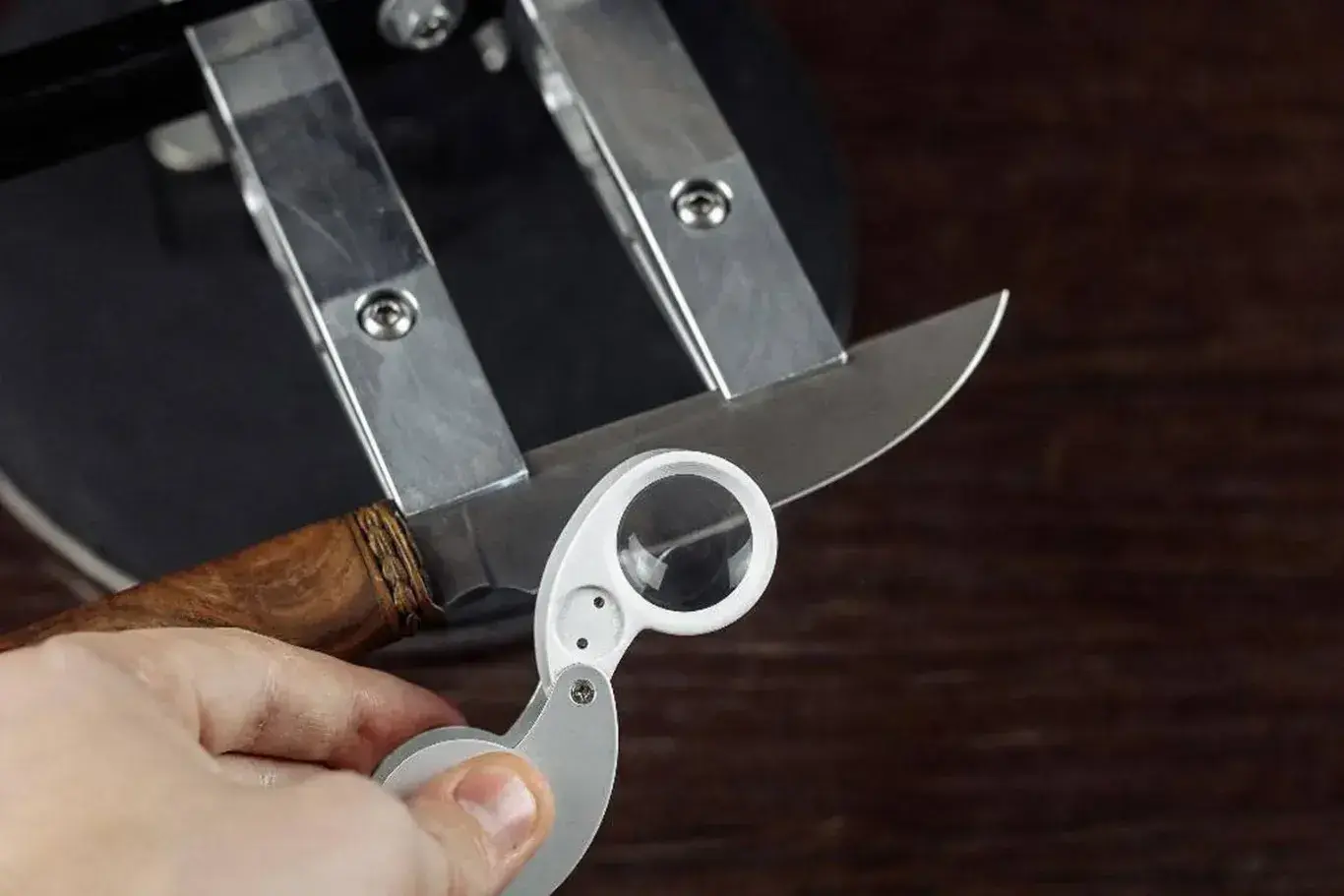
By being aware of these typical mistakes, I can improve my performance and sharpen my tools more efficiently. Attention to detail & skill are both necessary to get that ideal edge. Checking in on my progress while sharpening is one tip that has really helped me. I frequently pause to check the edge in well-lit areas or even use a magnifying glass to take a close look at it rather than waiting until I believe I’m finished. This enables me to pinpoint any areas that might require more care before proceeding.
Consistency in stroke length & pressure is another important tip. I’ve discovered that producing a consistent edge requires applying constant pressure throughout each stroke. Also, altering the length of my strokes can aid in more efficiently honing various blade sections.
Sharper edges that improve my performance can be obtained by implementing these methods into my sharpening regimen. Finally, a key lesson in my sharpening process has been realizing that different materials call for different methods. For example, I’ve discovered that diamond stones are frequently more effective when working with harder materials like ceramic knives or high-carbon steel blades because of their durability and capacity to withstand tougher edges.
Honing rods or conventional whetstones, on the other hand, might work better with softer materials. I’ve also been able to adjust my sharpening methods by realizing that different tools have different functions. For instance, chisels & kitchen knives require different methods; whereas knives are better suited for slicing with a fine edge, chisels require a sharper angle for precise cutting in woodworking projects. Each tool in my collection will perform at its best if I modify my sharpening techniques according to the material and intended use.
To sum up, becoming proficient in the art of tool sharpening improves efficiency and safety in any kitchen or workshop environment. Through comprehension of the significance of tool upkeep, selection of suitable sharpening instruments, utilization of efficient methods, & avoidance of typical errors, I can attain sharp edges that raise the bar for my craftsmanship. Anyone can learn this important tool care skill with time and practice, guaranteeing that every cut is accurate and every project is completed to perfection.
If you’re interested in learning more about maintaining your tools, you may want to check out the article on tool maintenance tips on the 25000miles website. This article provides valuable information on how to properly care for your tools to ensure they stay sharp and in good working condition for years to come. By following these tips, you can extend the life of your tools and save money on replacements.
FAQs
What tools can be sharpened?
Common tools that can be sharpened include knives, scissors, chisels, axes, garden shears, and lawnmower blades.
What are the different methods for sharpening tools?
There are several methods for sharpening tools, including using a sharpening stone, a honing guide, a sharpening jig, a bench grinder, or a leather strop. Each method has its own advantages and is suitable for different types of tools.
How often should tools be sharpened?
The frequency of sharpening tools depends on how often they are used and the type of material they are used on. Generally, tools should be sharpened when they start to show signs of dullness, such as difficulty cutting or a rough edge.
What are the benefits of sharpening tools?
Sharpening tools regularly helps maintain their effectiveness and prolongs their lifespan. Sharp tools also provide cleaner cuts, reduce the effort required to use them, and improve safety by reducing the risk of accidents.
What safety precautions should be taken when sharpening tools?
When sharpening tools, it is important to wear safety goggles to protect the eyes from any metal particles that may be released during the sharpening process. Additionally, it is important to use a secure and stable surface to prevent accidents and injuries.