The Art of Knife Sharpening: A Complete Guide As an avid cook, I’ve learned that my knife quality has a big influence on my cooking. With the help of a sharp knife, which is more than just a tool, I can easily and precisely cut through food. It is impossible to overestimate how crucial it is to sharpen knives. In the kitchen, dull knives can cause frustration & make tasks more time-consuming and difficult. Learn more about our journey at About us.
Key Takeaways
- Sharpening tools are important for maintaining the sharpness and longevity of knives
- Types of sharpening tools include sharpening stones, sharpening systems, and electric knife sharpeners
- Sharpening stones offer precision and control, while sharpening systems provide ease and consistency
- Electric knife sharpeners are convenient but may remove more metal from the blade
- Consider the type of knives you have and your sharpening preferences when choosing the right sharpening tool
They can also be dangerous because I frequently find myself using too much force, which makes slips and accidents more likely. Also, keeping my knives sharp extends their lifespan. I want to make sure my expensive knives last me many years. Maintaining the integrity of the blade through regular sharpening helps avoid the damage that can result from using a dull edge. To put it simply, sharpening tools are not just accessories; they are vital parts of my kitchen toolkit that enhance efficiency & safety.
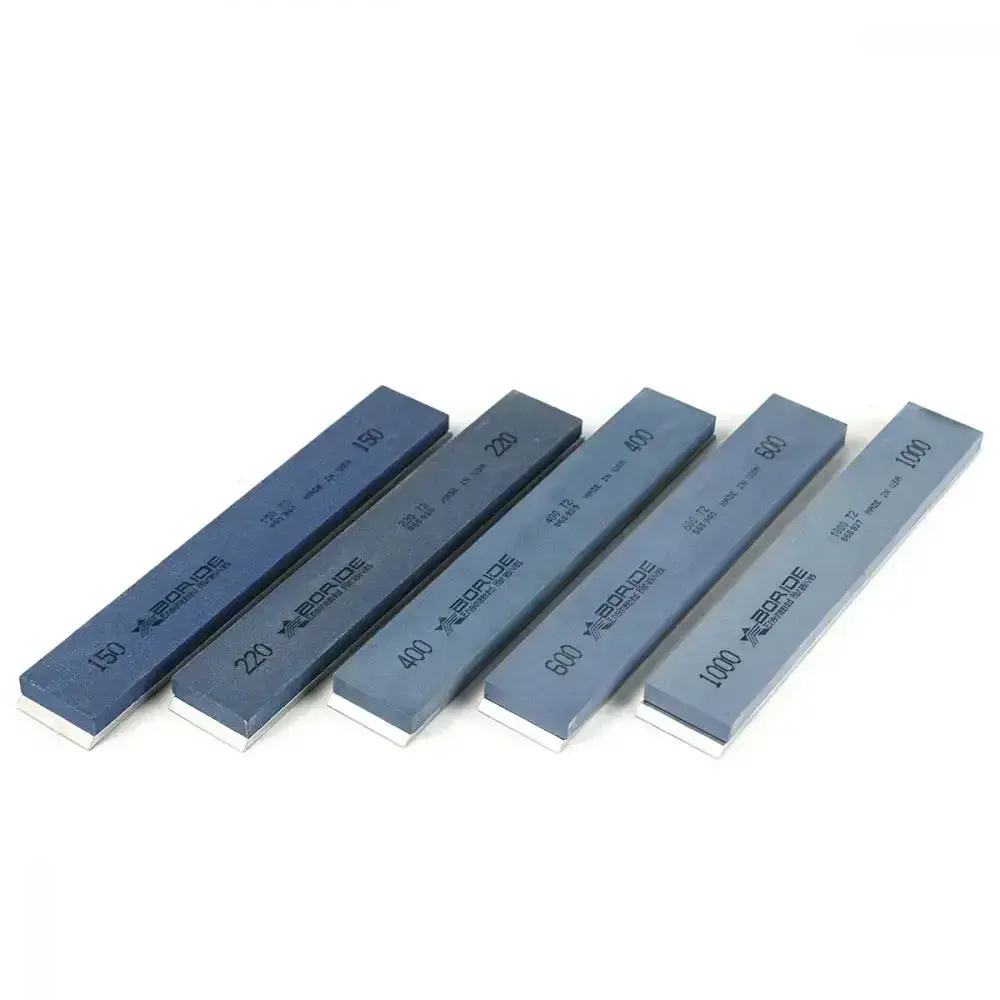
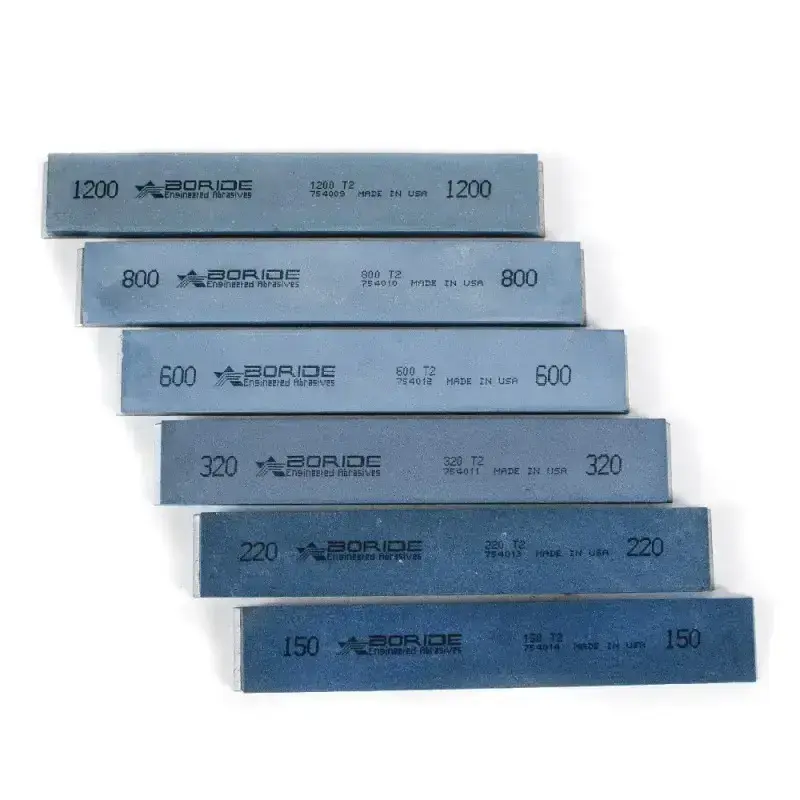
Sharpening stones are a traditional method. The sharpening stone, which comes in different grits, is one of the oldest techniques. By honing the edge at the appropriate angle, these stones enable me to manually sharpen my knives.
I enjoy the tactile sensation of sharpening with a stone because it allows me to feel in control of the procedure. But mastering the method and getting reliable results does take practice. Honing rods for upkeep. The honing rod, which is frequently composed of steel or ceramic, is another well-liked choice. This tool is not meant for complete sharpening, but rather for routine upkeep.
| Sharpening Tool | Pros | Cons |
|---|---|---|
| Whetstone | Provides precise control, versatile, long-lasting | Requires skill to use, time-consuming |
| Electric Sharpener | Quick and easy, consistent results | May remove too much metal, less control |
| Honing Rod | Convenient, quick touch-ups | Does not sharpen dull blades, limited effectiveness |
| Sharpening Stone | Portable, good for maintaining sharpness | Not suitable for major blade repairs |
Using a honing rod helps me maintain my knives in top shape by realigning the edge of the blade between sharpenings. For convenience, consider electric sharpeners. Electric sharpeners are another option that provide speed and convenience. Because they can quickly and easily restore a dull edge, these devices are a desirable option for people who might not have the time or desire to sharpen by hand.
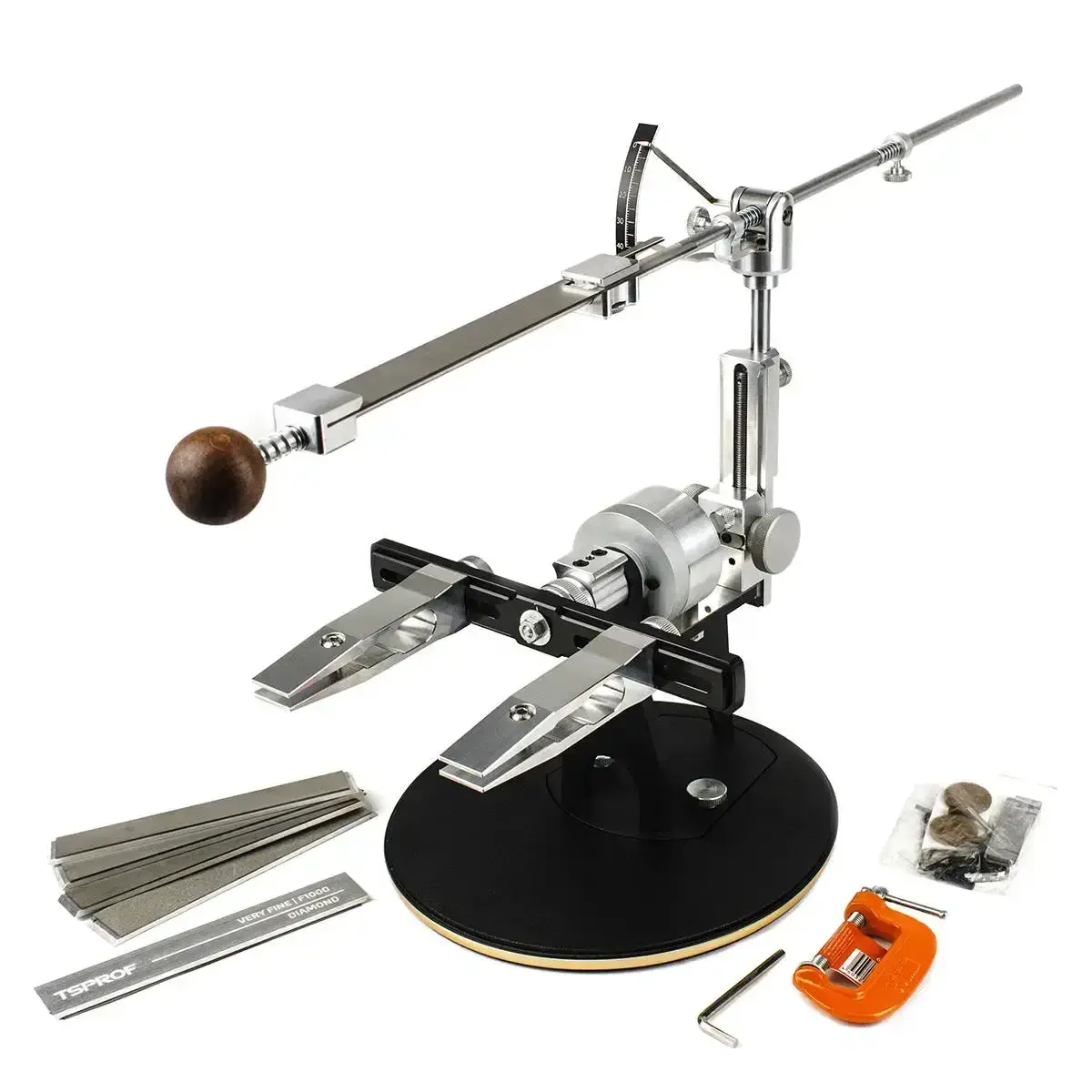
I frequently find myself contrasting sharpening systems and stones as I learn more about the field of knife sharpening. For many enthusiasts, sharpening stones offer a tactile experience they treasure. They give me more customization options because I can change the pressure and angle to suit the particular knife I’m working on. To regularly get the intended results, this approach necessitates perseverance and practice. However, sharpening systems provide a more regulated method.
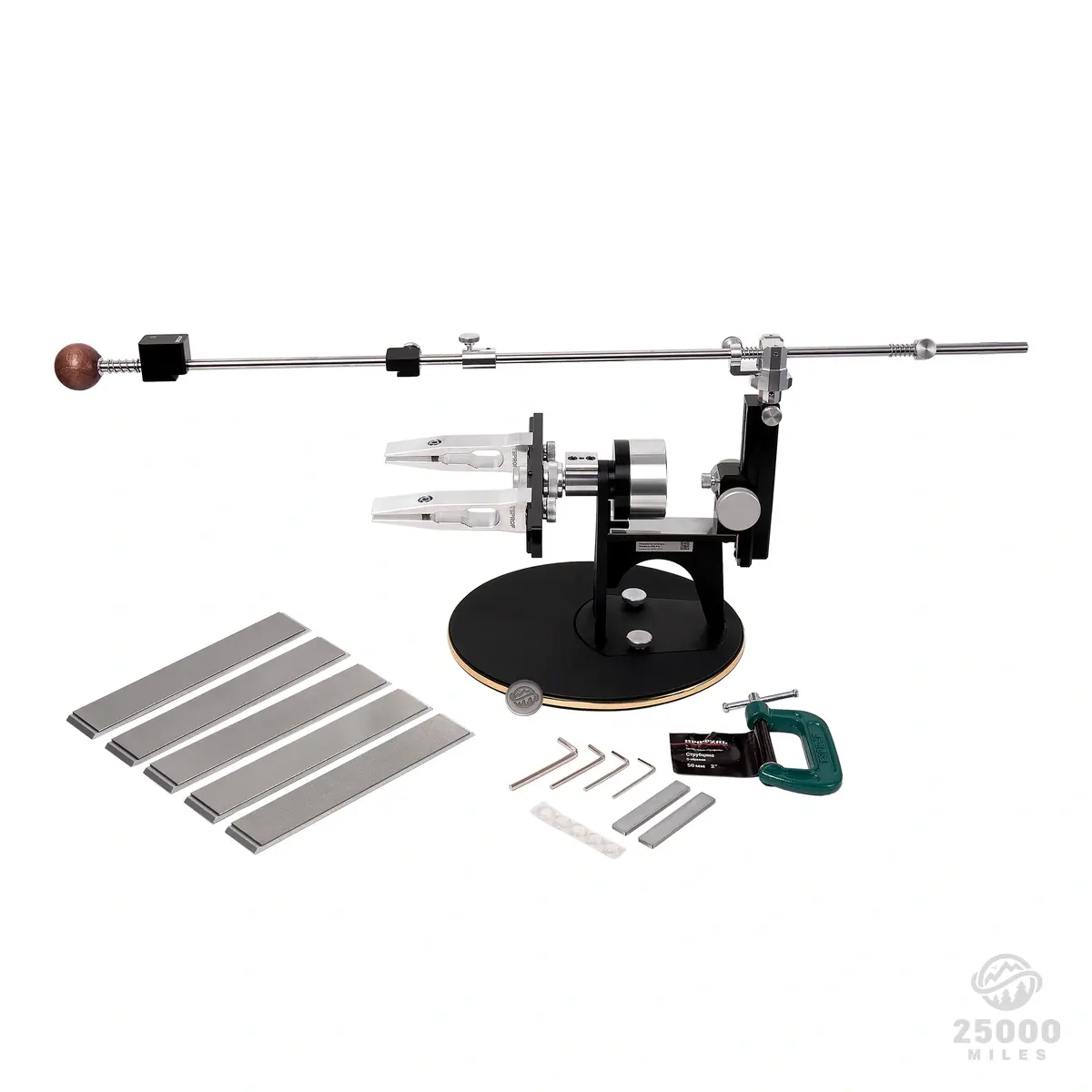
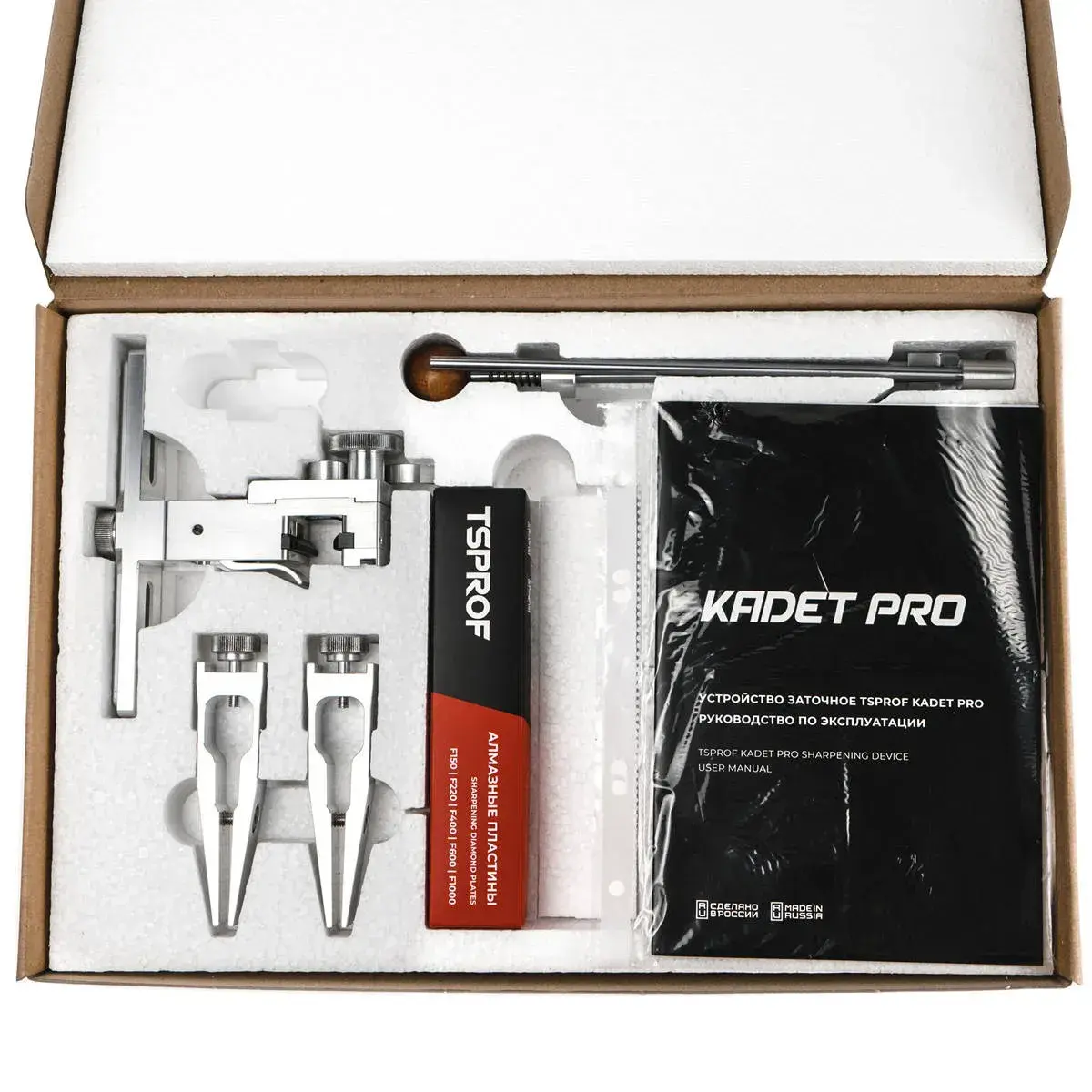
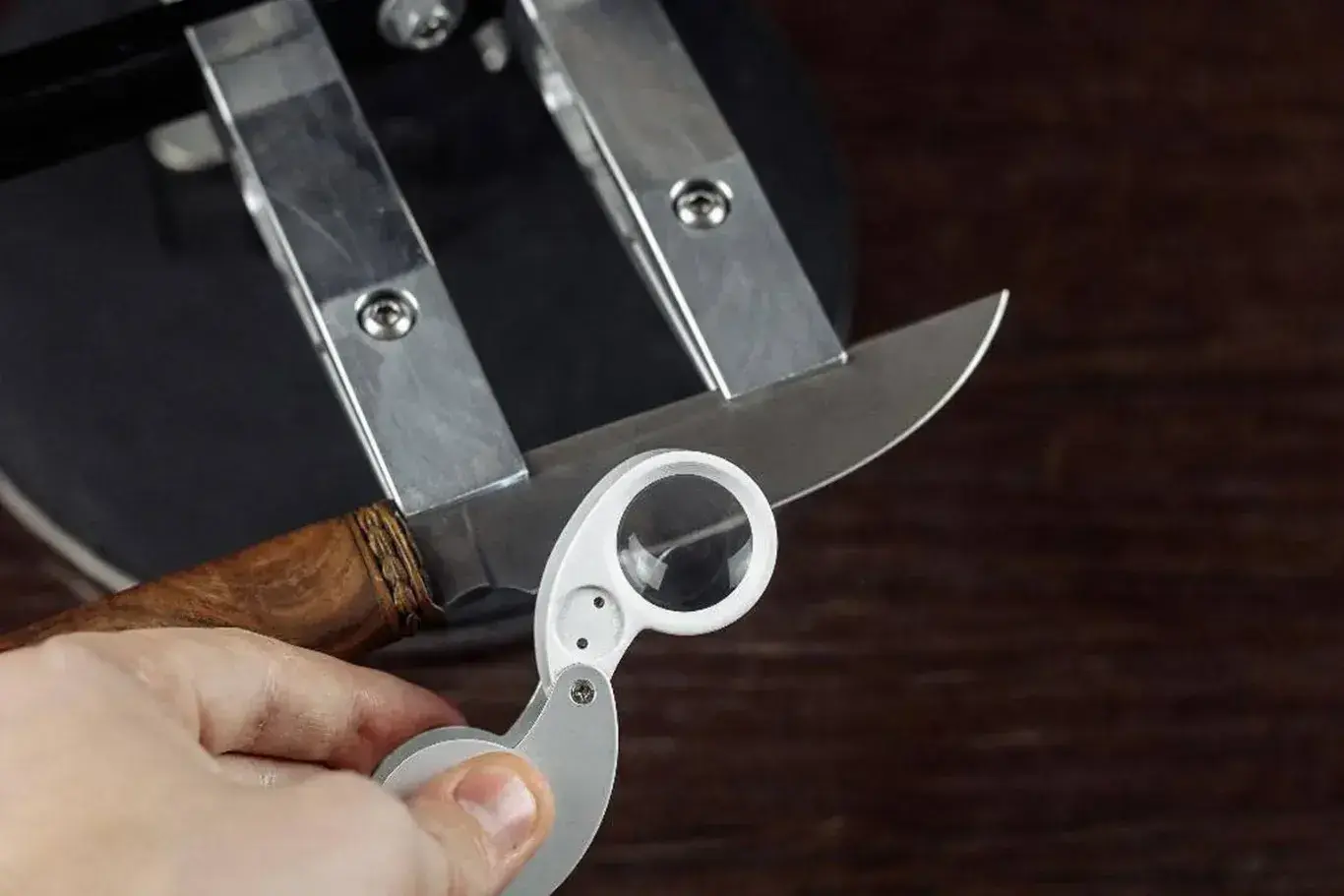
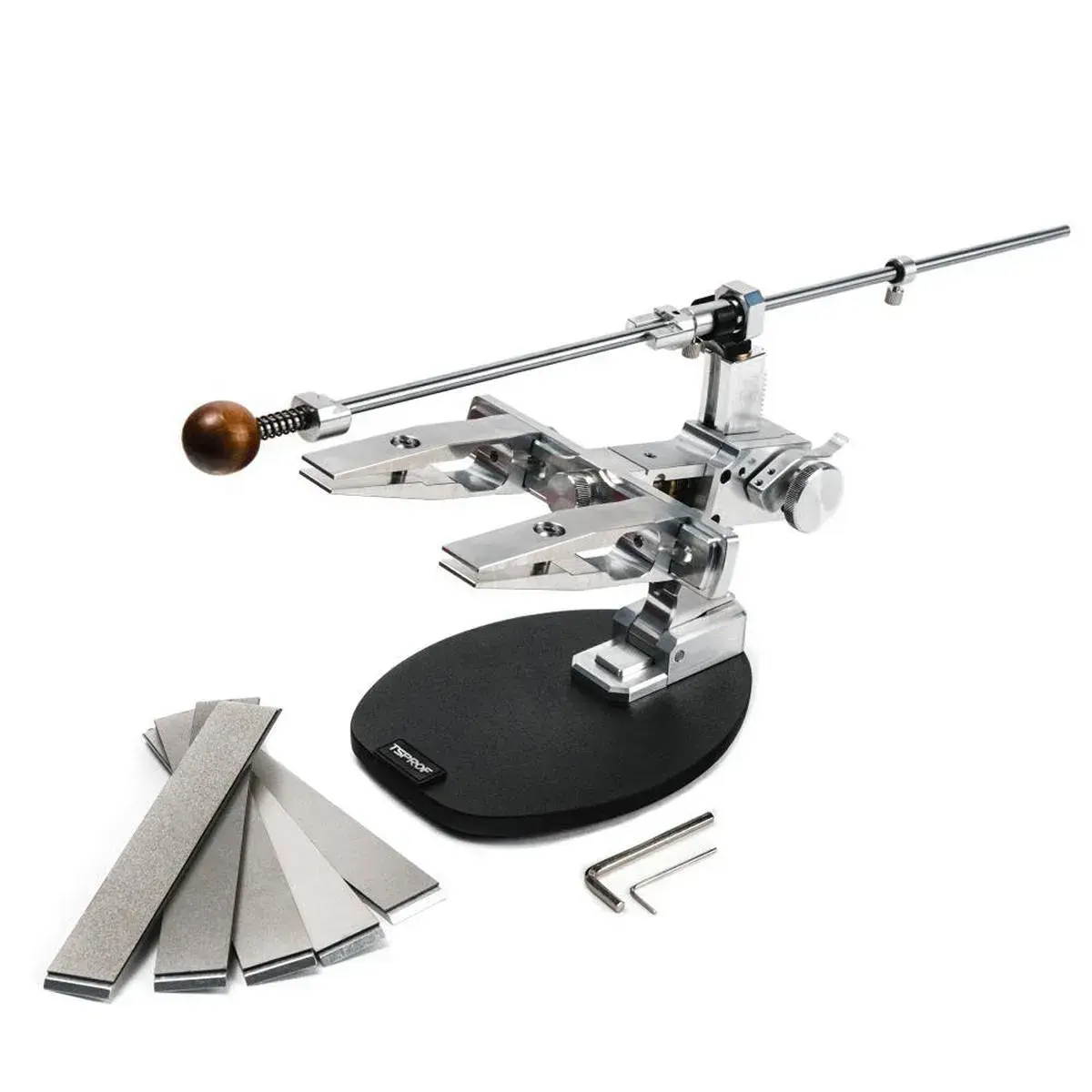
Usually, these systems come with clamps and angle guides, which enable me to keep my angle constant while sharpening. Even though they might not have the same tactile appeal as a stone, they can be very useful for producing sharp edges with less work.
Every option has advantages, and I value having both in my toolbox.
I understand why electric knife sharpeners have grown in popularity in recent years. Their efficiency & speed are among their biggest benefits. I can quickly return a dull blade to its former splendor with a few passes through the machine.
I especially like this convenience when I have a lot of knives to sharpen or when I’m rushing to finish cooking. But there are a few disadvantages to take into account as well. Electric sharpeners have the potential to reduce the blade’s lifespan by occasionally removing more material than is necessary. Also, especially for people who are accustomed to using sharpening stones or systems, they might not offer the same degree of accuracy as manual methods. I think it’s critical to carefully consider these benefits and drawbacks before choosing to use an electric sharpener or continue using conventional techniques.
I take into account a number of factors when selecting the best sharpening tool for my knives. I evaluate my comfort level and skill level with various sharpening techniques first. If I’ve never sharpened a knife before, I might choose an electric sharpener or a guided system that makes the process easier. Conversely, a high-quality sharpening stone might be more alluring if I have experience & enjoy perfecting my craft.
The kind of knives I own is another important consideration. Sharpening methods vary depending on the type of blade; for example, Japanese knives tend to have a sharper angle than Western-style knives. I can choose a tool that will successfully preserve each knife’s distinct edge geometry by being aware of these subtleties. In the end, my decision should be in line with my preferences and cooking habits so that I have the appropriate tool available when it’s time to sharpen. It’s both an art & a science to sharpen knives, & I’ve discovered that using best practices can help you get the best results.
Keeping a constant angle when sharpening is one essential rule. Maintaining the blade at the proper angle guarantees that I can produce an even edge without causing damage to the knife, whether I’m using a stone or a guided system. Using the right technique is also crucial when sharpening. For example, instead of applying a lot of pressure when using a stone, I use light pressure and make smooth strokes along the length of the blade. This method not only keeps the blade sharper but also makes it easier for me to get a sharper edge. I can also use regular progress checks to gauge when I’ve reached the required level of sharpness, such as testing it on paper or feeling the edge with my fingers.
Maintaining the longevity and efficacy of my sharpening tools is essential, much like how I take care of my knives. I always make sure to thoroughly clean my sharpening stones after using them to get rid of any debris or metal filings that might have accumulated. This easy step guarantees that my stones stay effective for subsequent sharpenings and avoids contamination. Regular maintenance for electric sharpeners entails cleaning the machine’s interior of any dust or debris and inspecting the grinding wheels for wear. I can extend my sharpening tools’ lifespan and make sure they continue to function at their peak when I need them by following these steps.
I’ve discovered a number of exceptional tools that meet a range of requirements and tastes during my knife-sharpening adventures. I strongly advise spending money on a high-quality whetstone, such as the King 1000/6000 combination stone, for people who prefer conventional techniques. With this flexible option, I can efficiently sharpen & polish my blades. The Chef’sChoice Trizor XV is a great option for people who prefer electric tools because it can swiftly produce razor-sharp edges & accept a variety of blade types. Also, I can keep my knives sharp between sharpenings with a honing rod like the Wüsthof Classic 10-Inch Honing Steel if I’m looking for something portable and convenient to use while on the go.
In the end, the type of knife I have and my personal preferences will determine which sharpening tool is best. I can make sure my knives stay sharp and prepared for any culinary challenge by investigating different options and comprehending their distinctive qualities. To sum up, learning how to sharpen knives is a crucial ability that improves kitchen efficiency and safety. I can make sure my knives stay in excellent shape for many years to come by understanding the value of sharpening tools, investigating the various kinds that are available, and adhering to best practices for upkeep and care.
Whether I use contemporary electric sharpeners or more conventional stones, spending time honing this craft eventually benefits every meal I cook.
If you’re looking for the best sharpening tools for knives, you may also be interested in checking out the selection of outdoor gear available at 25000miles.eu/shop. Whether you’re a camping enthusiast or just enjoy spending time in the great outdoors, this website offers a variety of products to enhance your outdoor experience. From camping equipment to hiking gear, you’re sure to find something that suits your needs at 25000miles.eu. Be sure to browse their sitemap for easy navigation through their extensive collection of outdoor products.
FAQs
What are the best sharpening tools for knives?
There are several types of sharpening tools for knives, including whetstones, sharpening rods, electric sharpeners, and sharpening systems. The best tool for you will depend on your skill level, the type of knives you have, and your personal preferences.
What is a whetstone and how does it work?
A whetstone is a traditional sharpening tool that consists of a flat stone with a coarse and a fine side. To use a whetstone, you simply wet the stone and then run the blade of the knife across the surface at a consistent angle, using a circular or back-and-forth motion to sharpen the blade.
What is a sharpening rod and how does it work?
A sharpening rod, also known as a honing rod or sharpening steel, is a long, slender rod made of steel or ceramic. To use a sharpening rod, you hold the rod vertically with the tip resting on a stable surface, then run the blade of the knife along the length of the rod at a consistent angle to straighten and realign the edge.
What is an electric sharpener and how does it work?
An electric sharpener is a motorized device that uses abrasive materials to sharpen the blade of a knife. To use an electric sharpener, you simply insert the blade into the appropriate slot and turn on the device, allowing the machine to sharpen the blade automatically.
What is a sharpening system and how does it work?
A sharpening system is a comprehensive tool that typically includes a variety of sharpening stones, guides, and angle adjustments to help users achieve a precise and consistent edge on their knives. These systems often require more skill and practice to use effectively, but they can produce very sharp results.